The Endangered Native Ponies of Eriskay in the Outer Hebrides
Published in The Guardian.
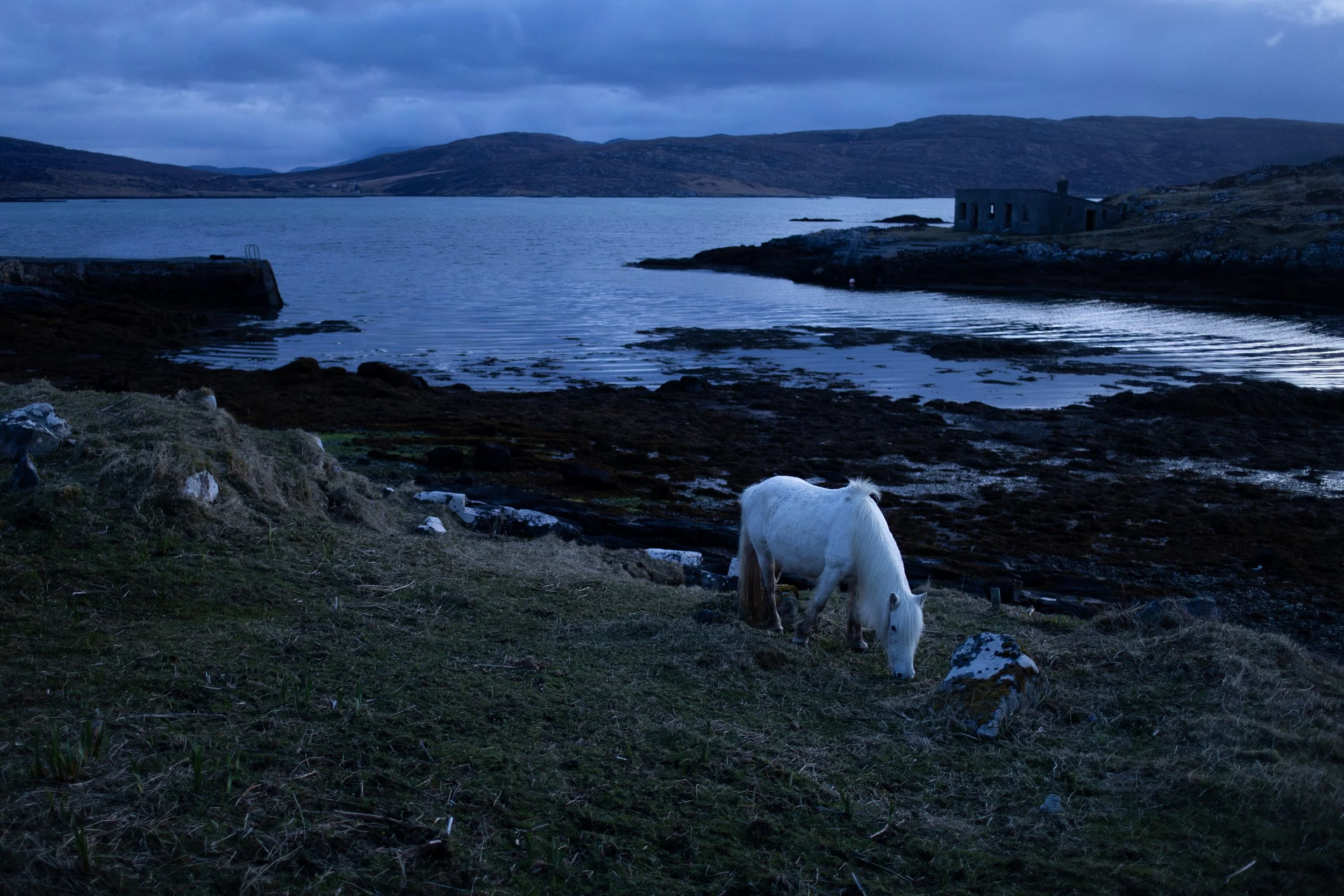
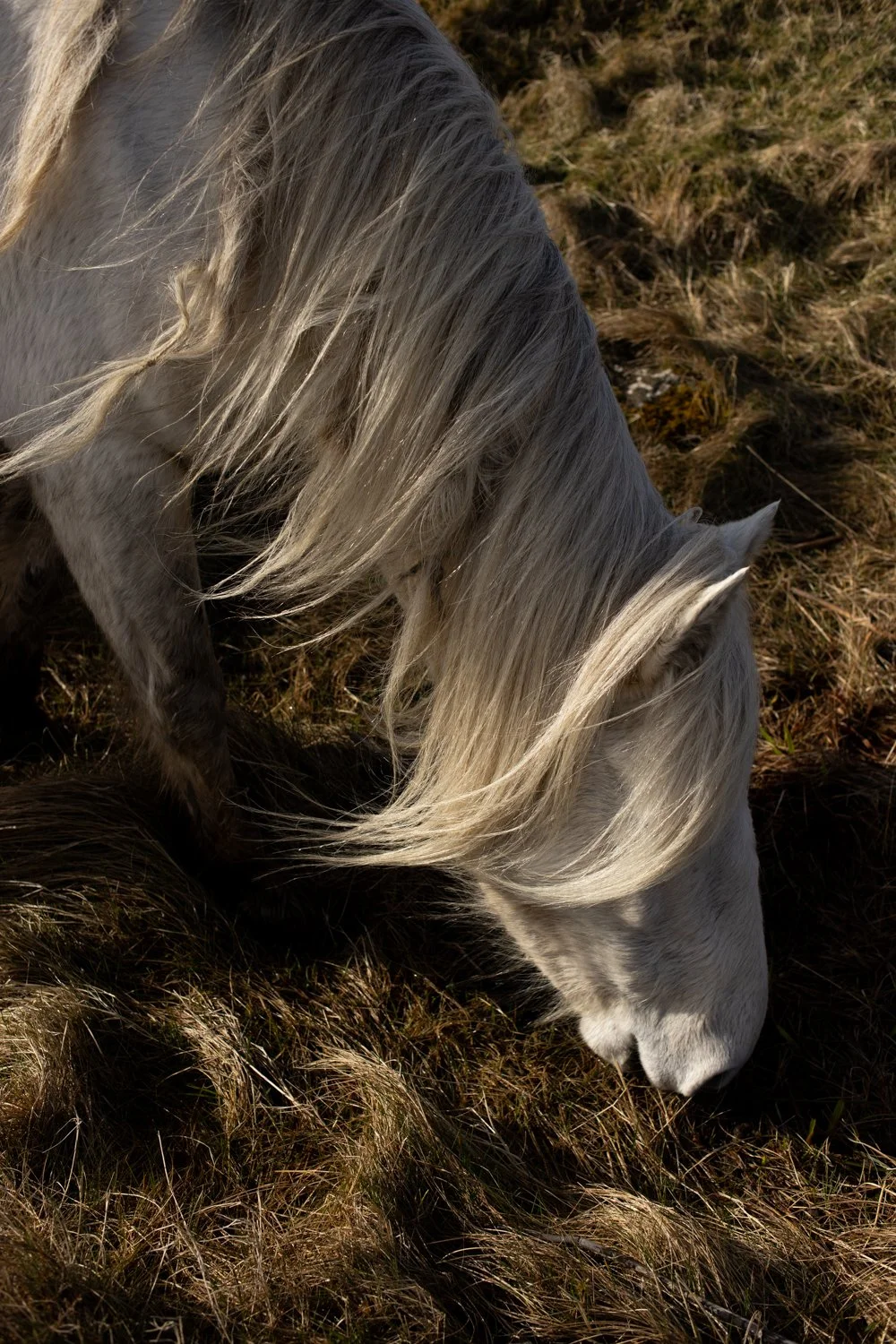
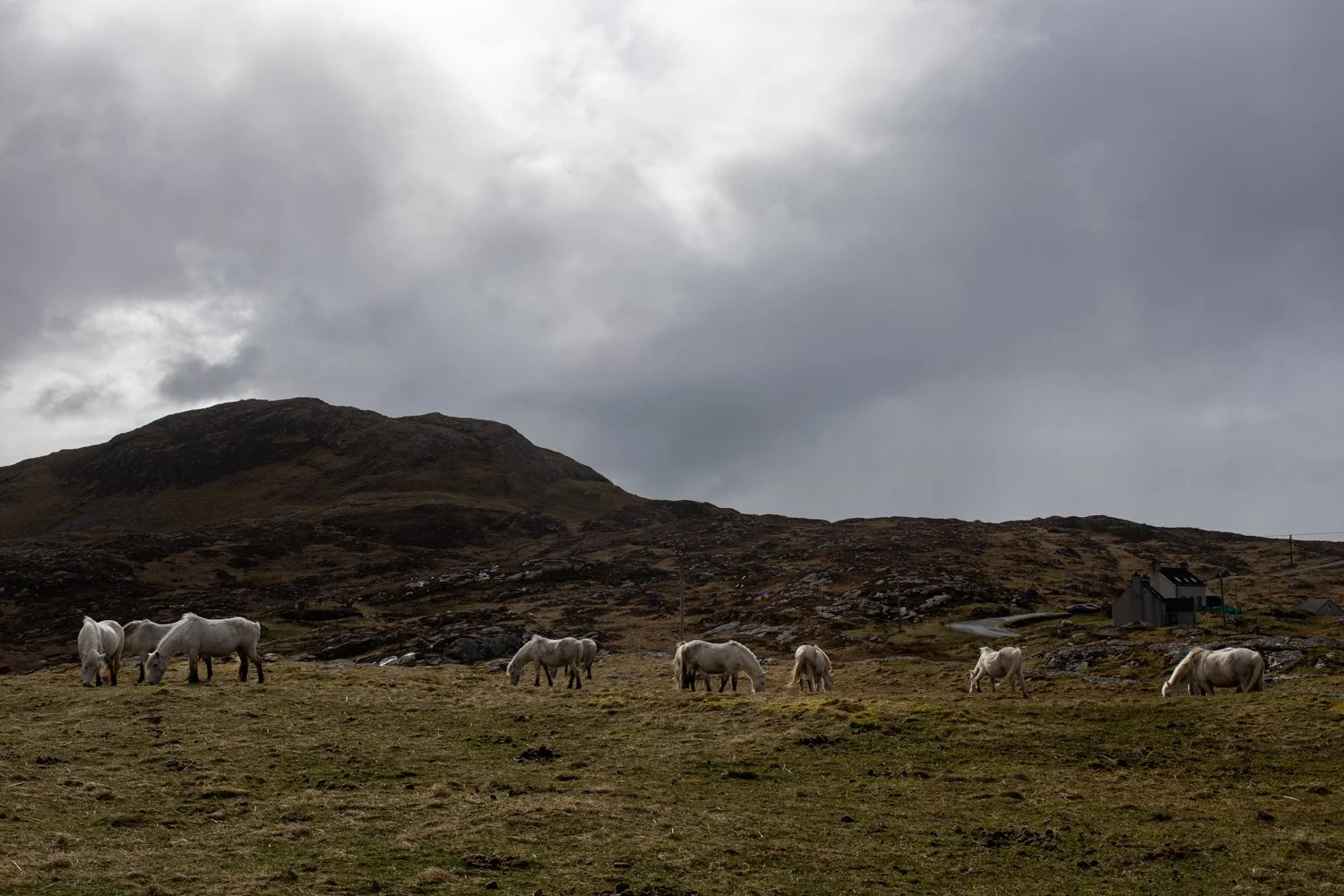
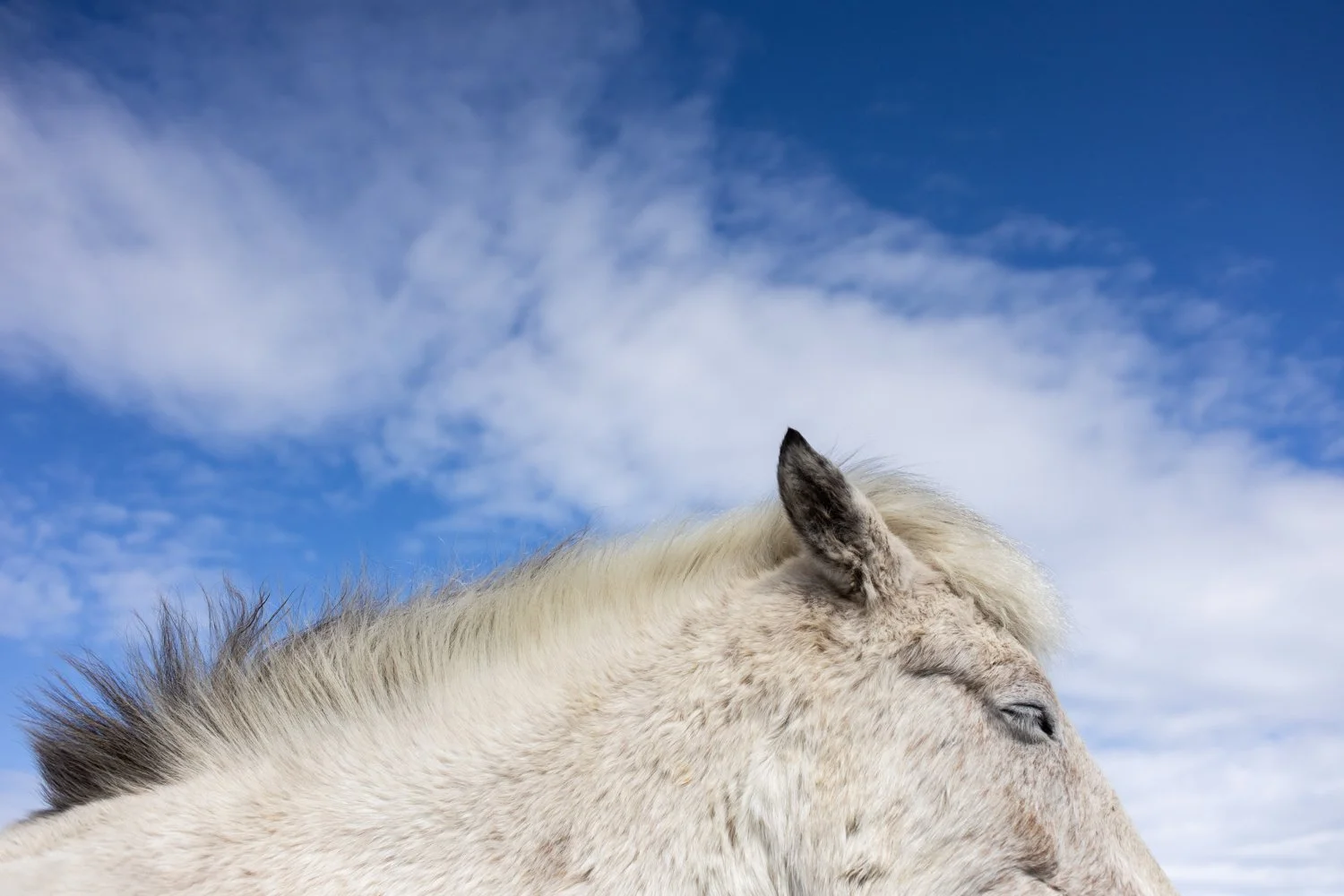
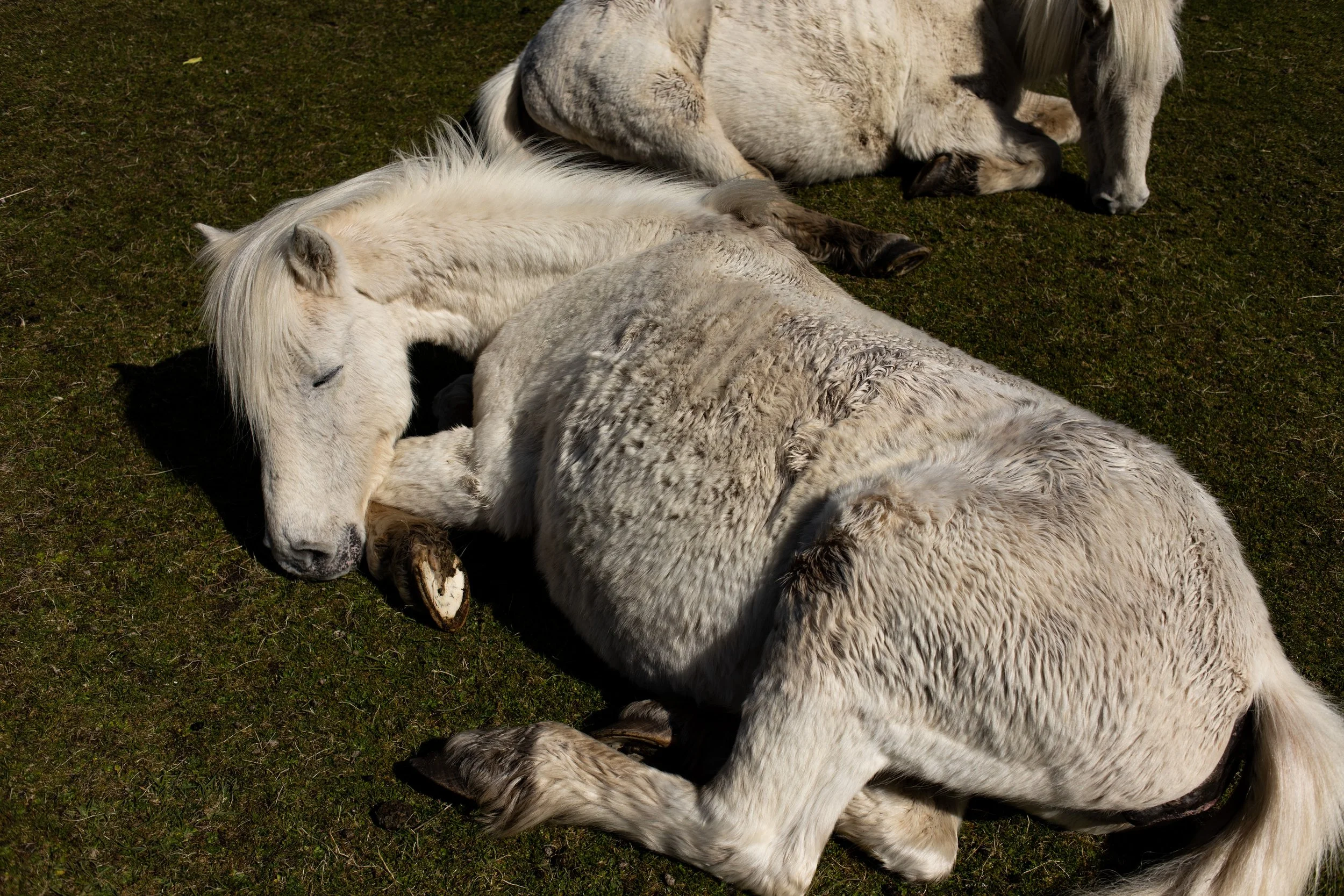
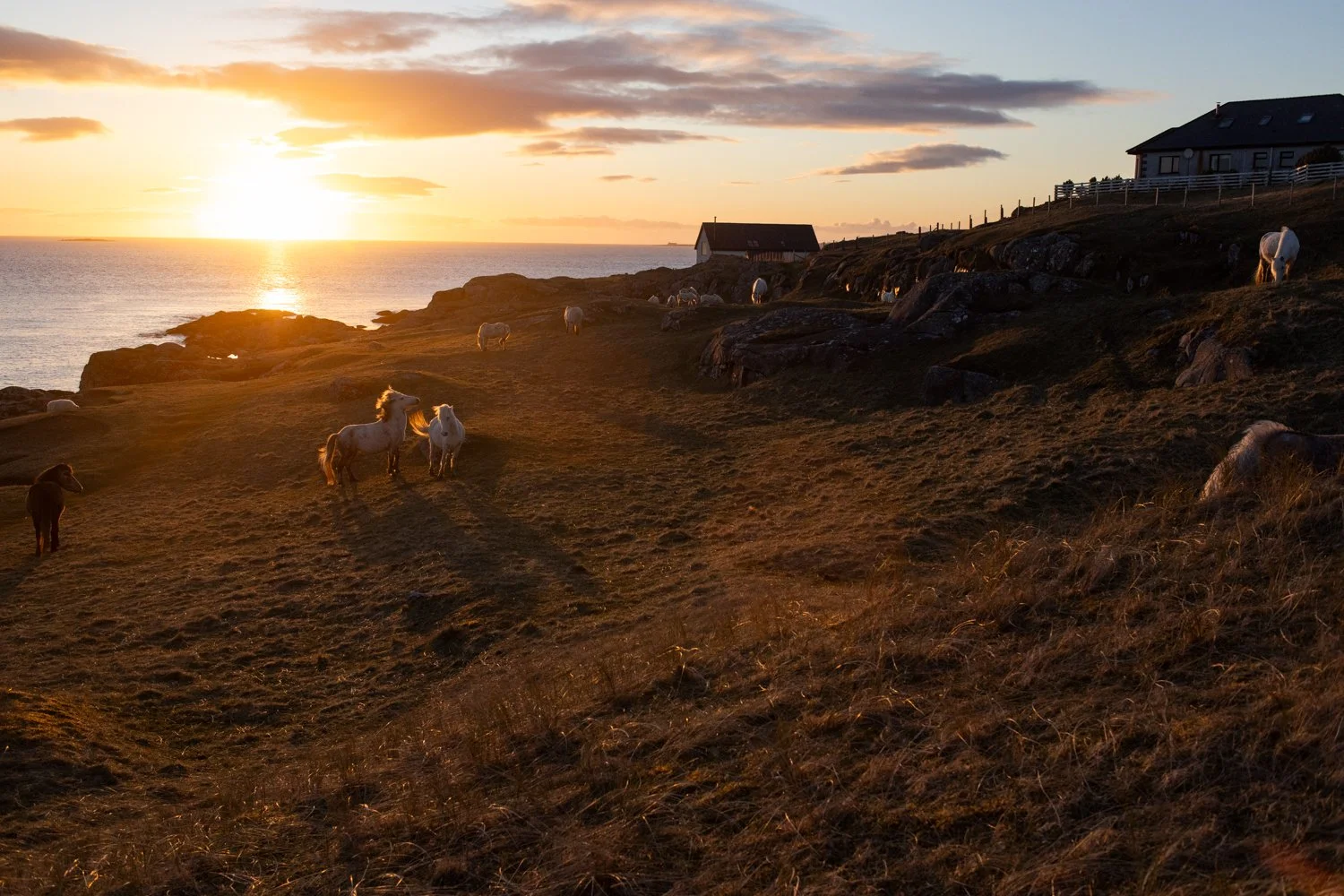
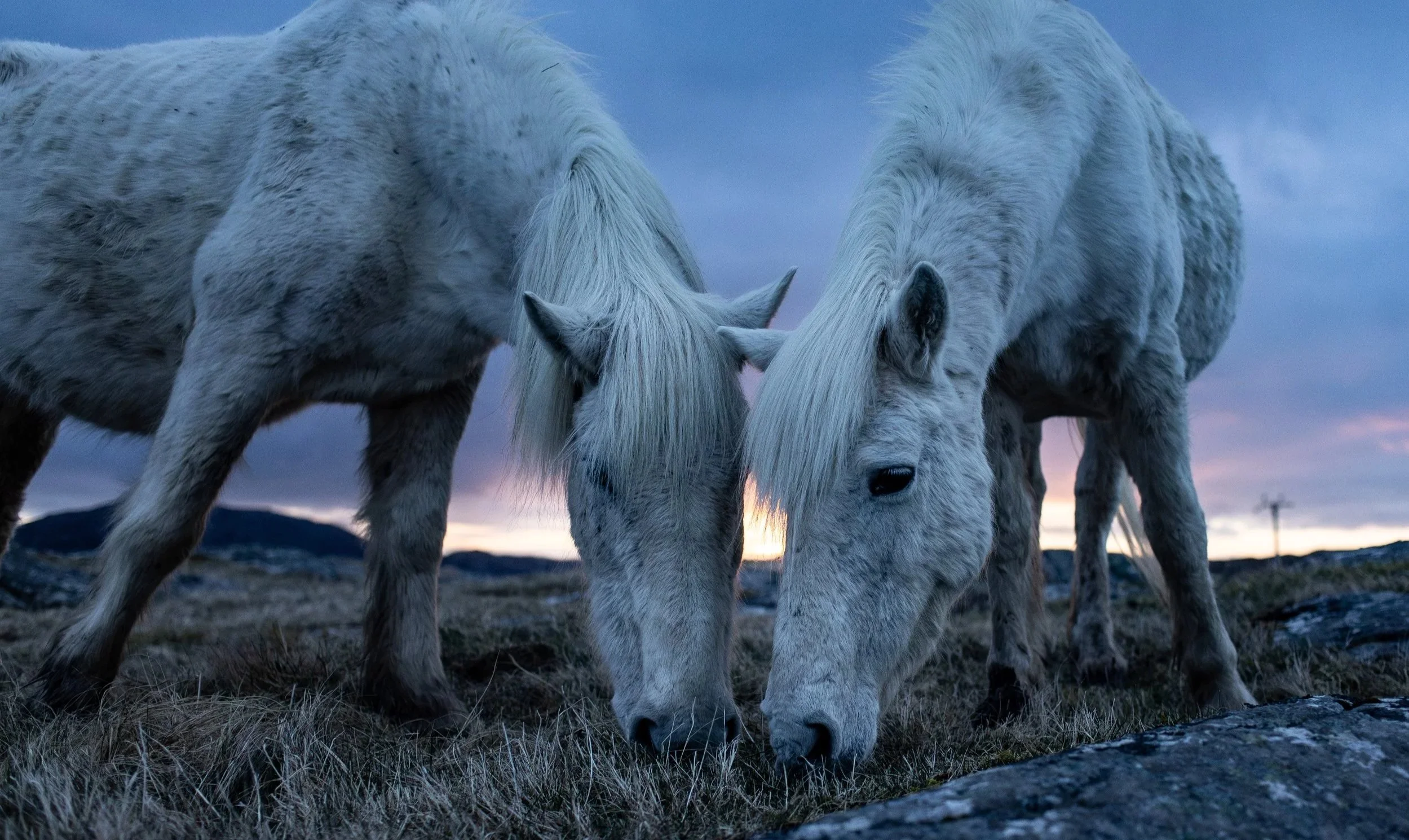
On the slopes of Beinn Sciathan, a rocky outcrop in the Outer Hebrides, many white and grey ponies roam freely. Eriskay Ponies, one of rarest native breeds in the world, are critically endangered.
They have often been mixed with the Highland Pony and other breeds, giving the false impression of higher population numbers. Currently, however, it is estimated that about 300 to 400 Eriskay Ponies remain.
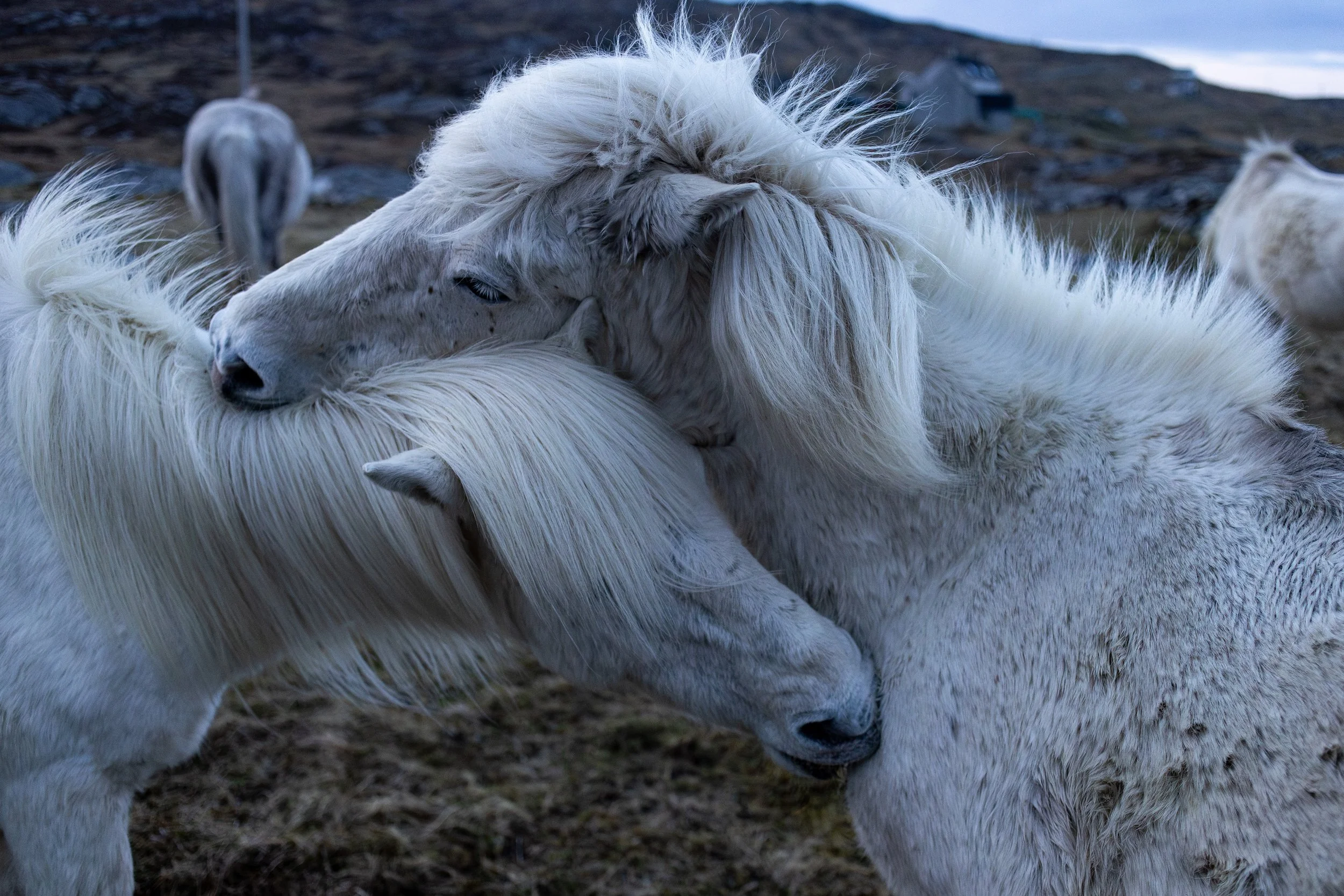
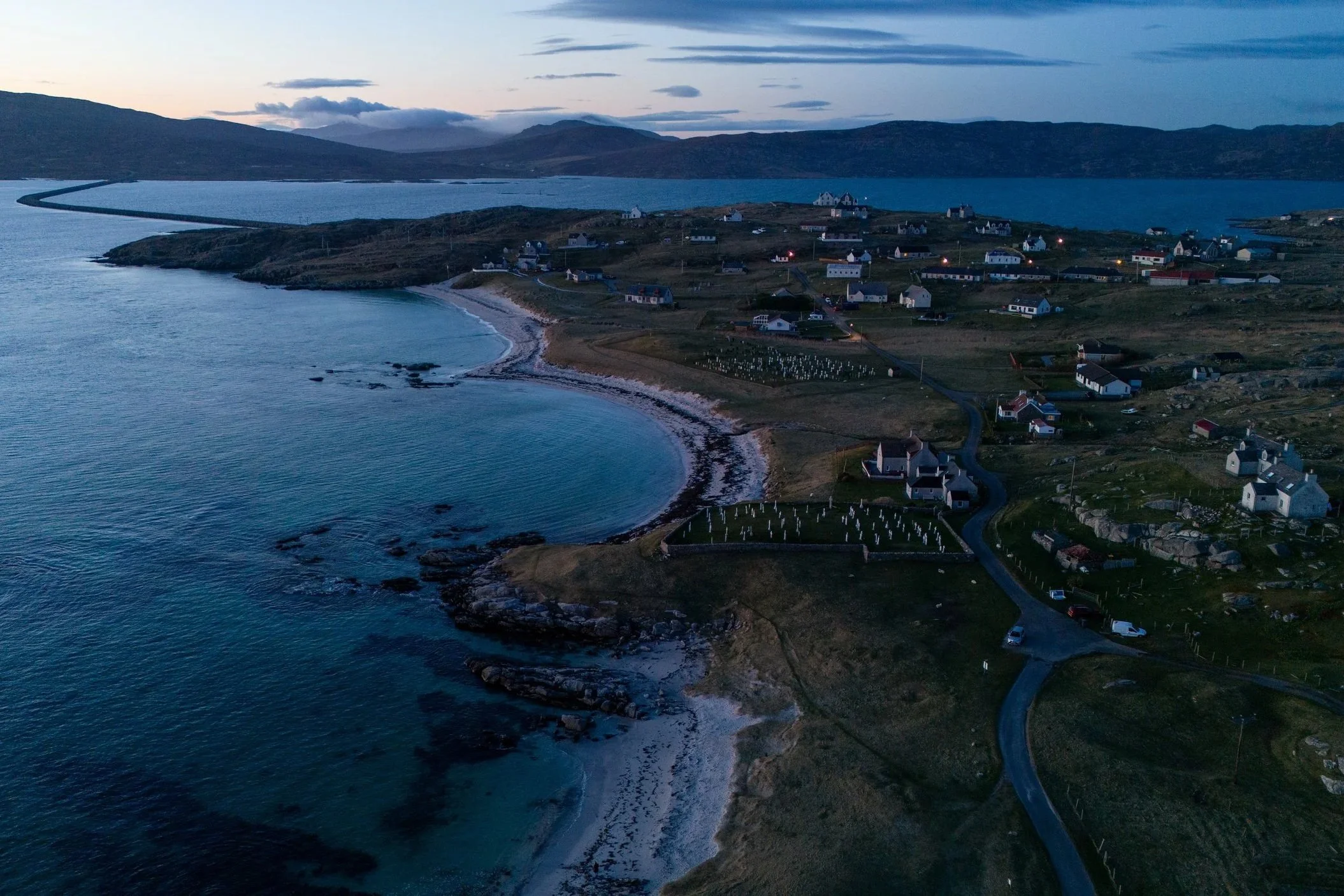
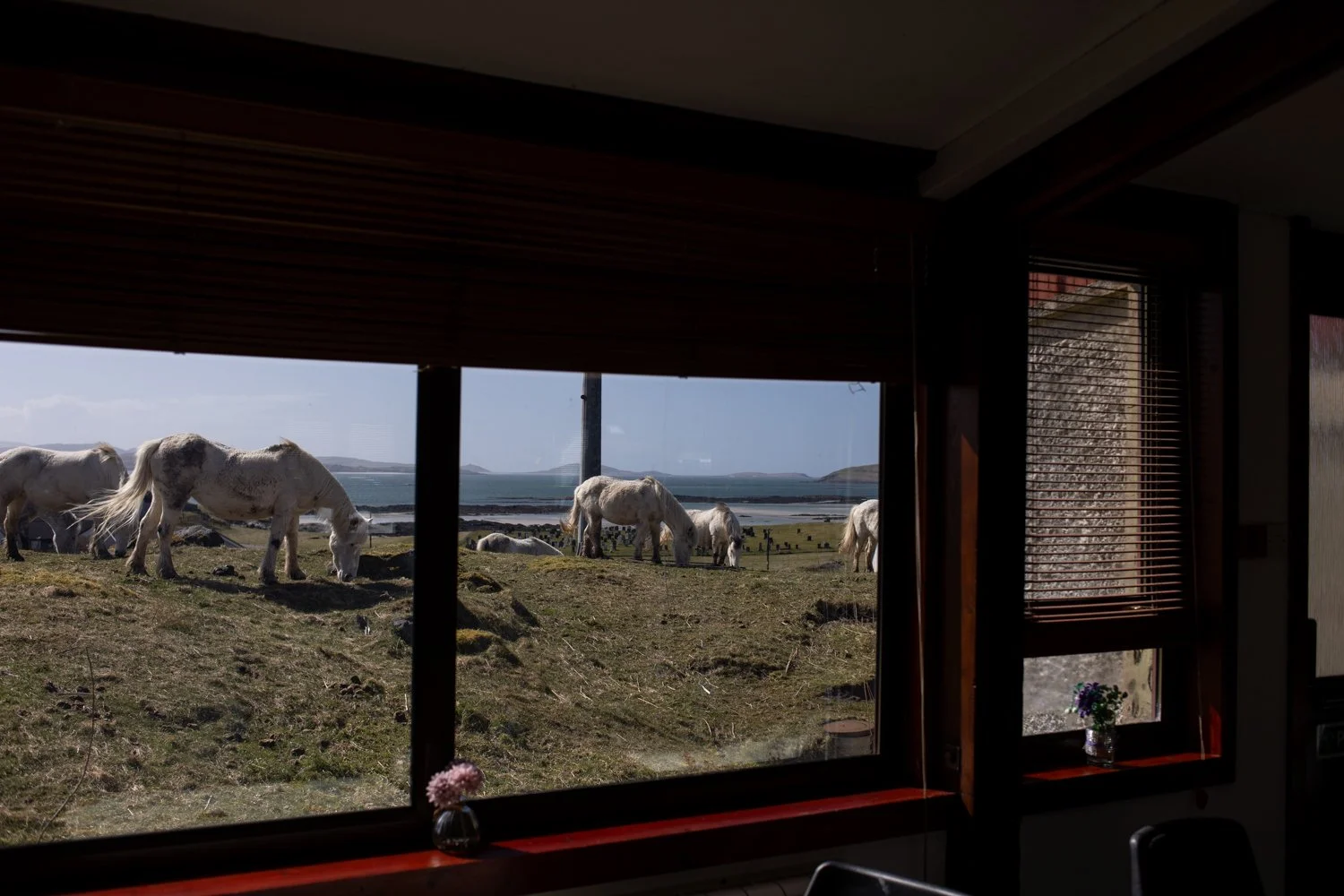
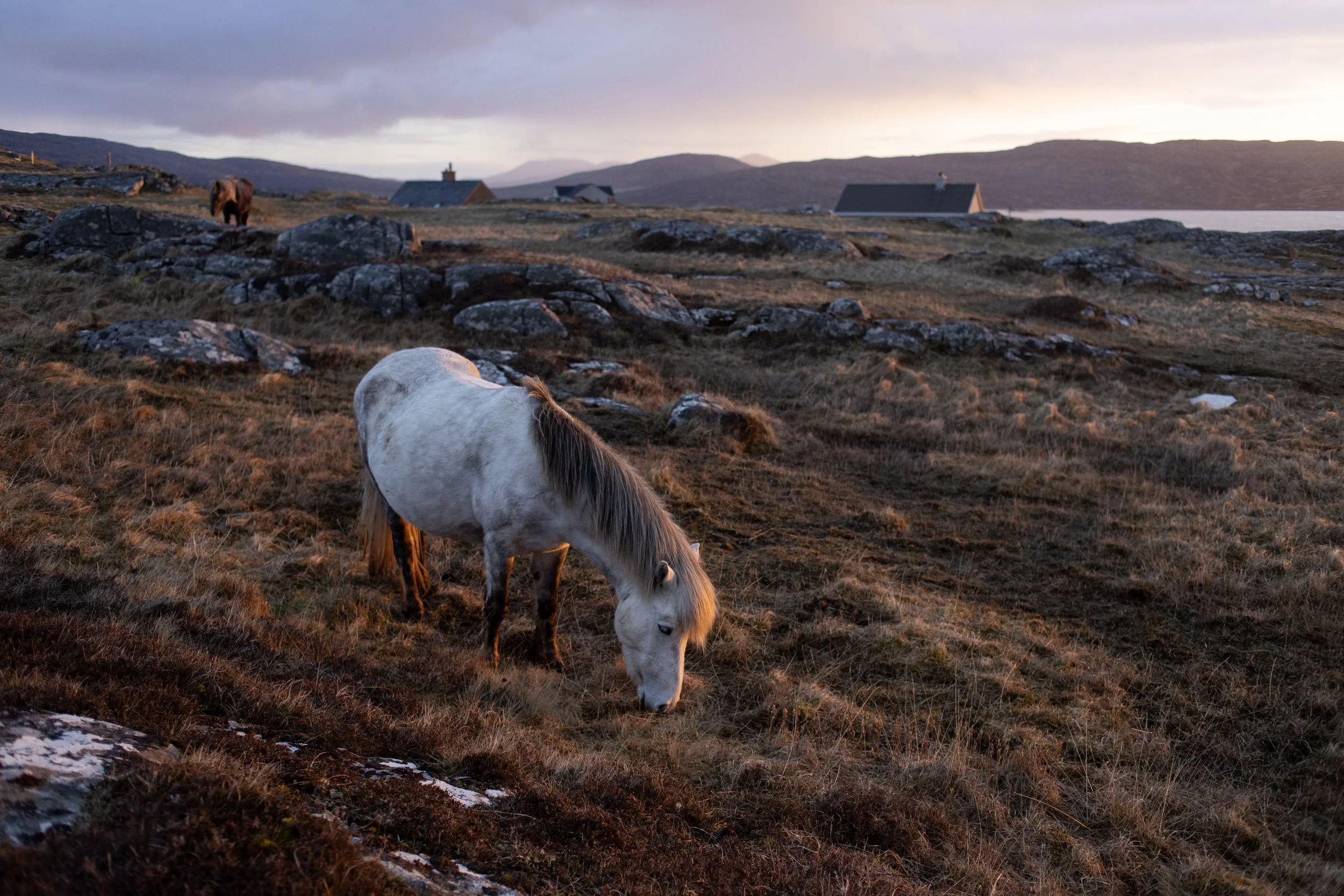
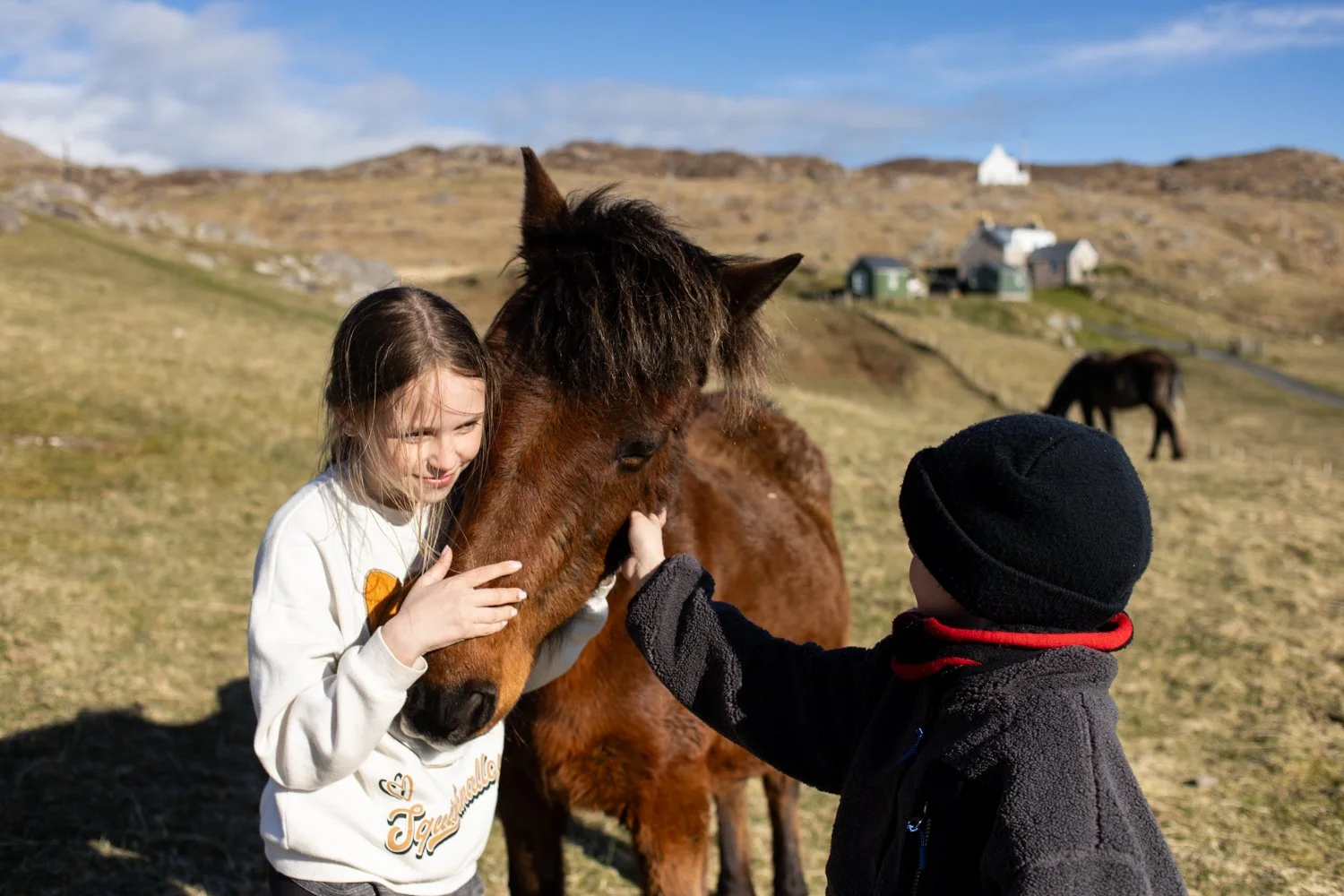
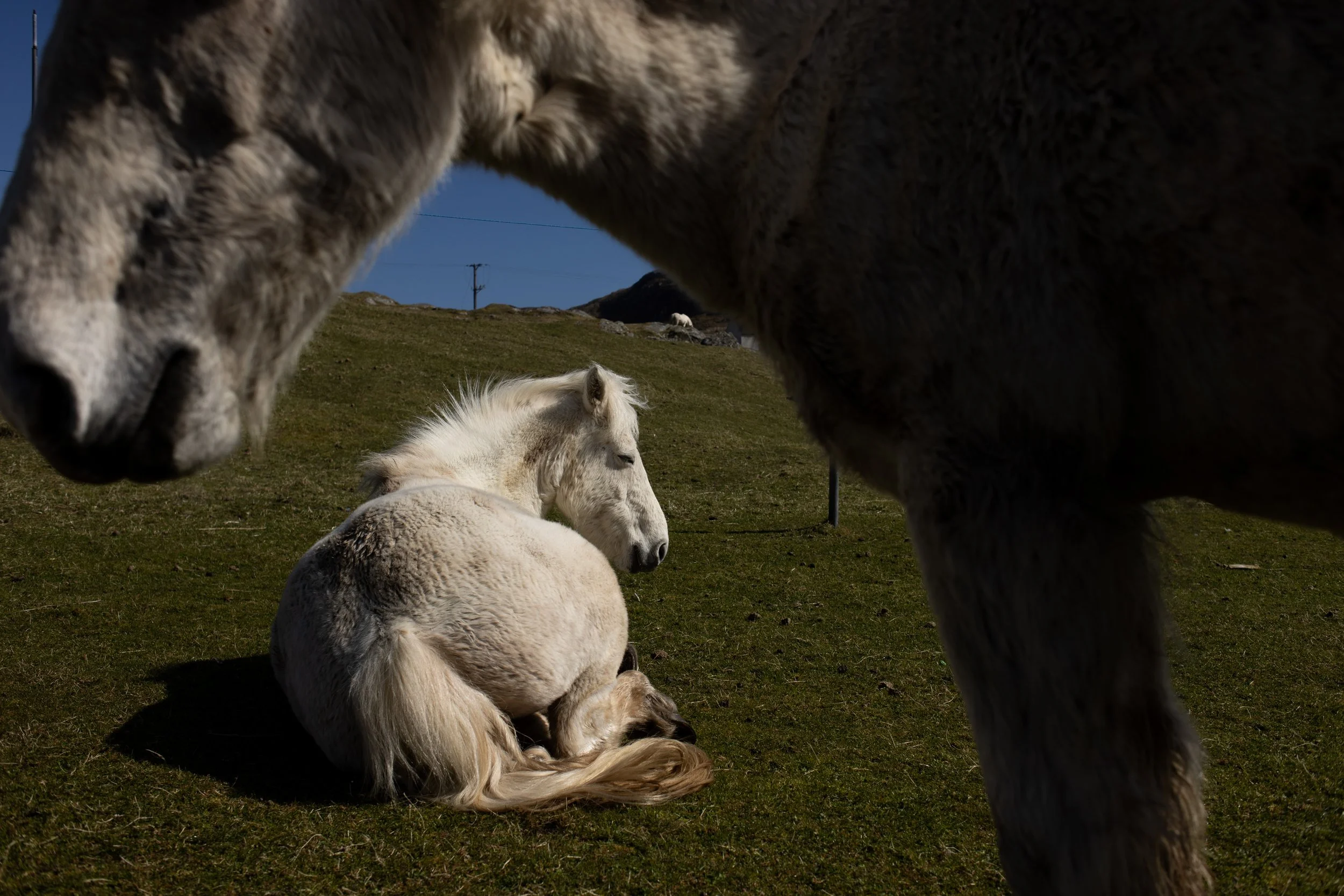
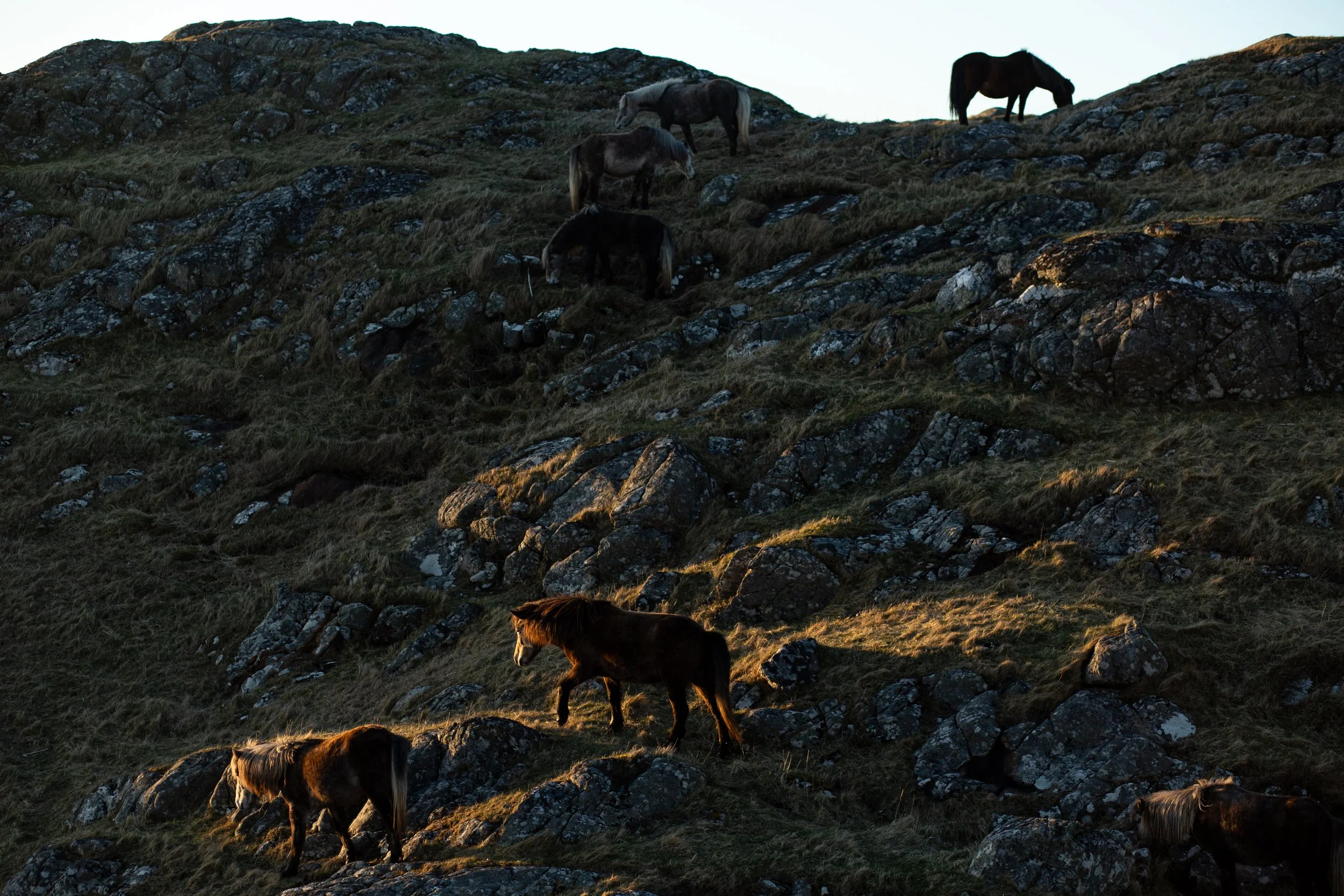
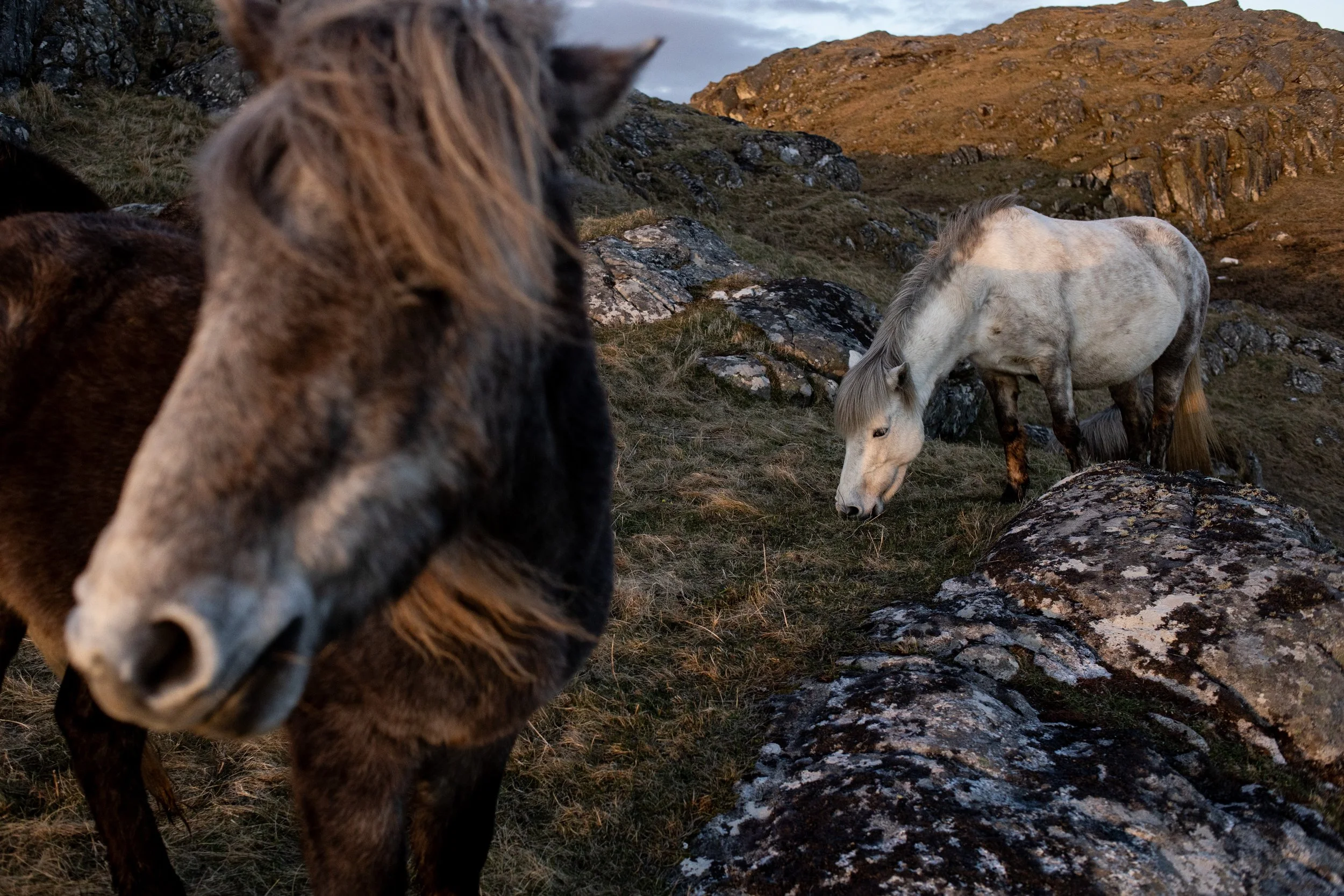
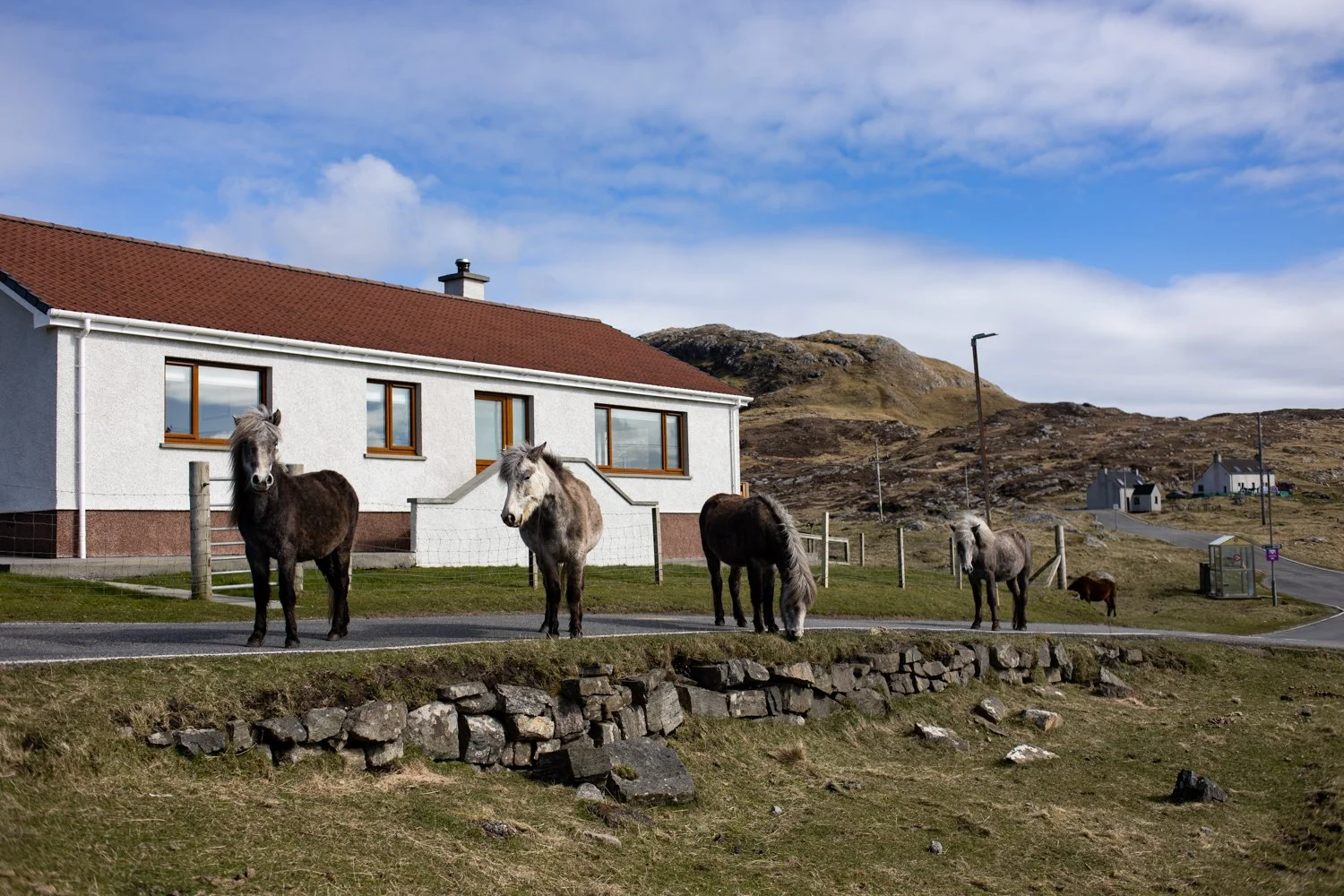
Since the 1970s, efforts have been made both on their very small homeland, Eriskay Island, and on the mainland to boost numbers. The ponies on the island have a lifestyle that is fascinating enough to draw tourists—they are neither wild nor kept enclosed. During half of the year including winter, the ponies have freedom to roam the island and its village. Each pony has an owner who can easily identify their own despite looking nearly identical to the average observer.
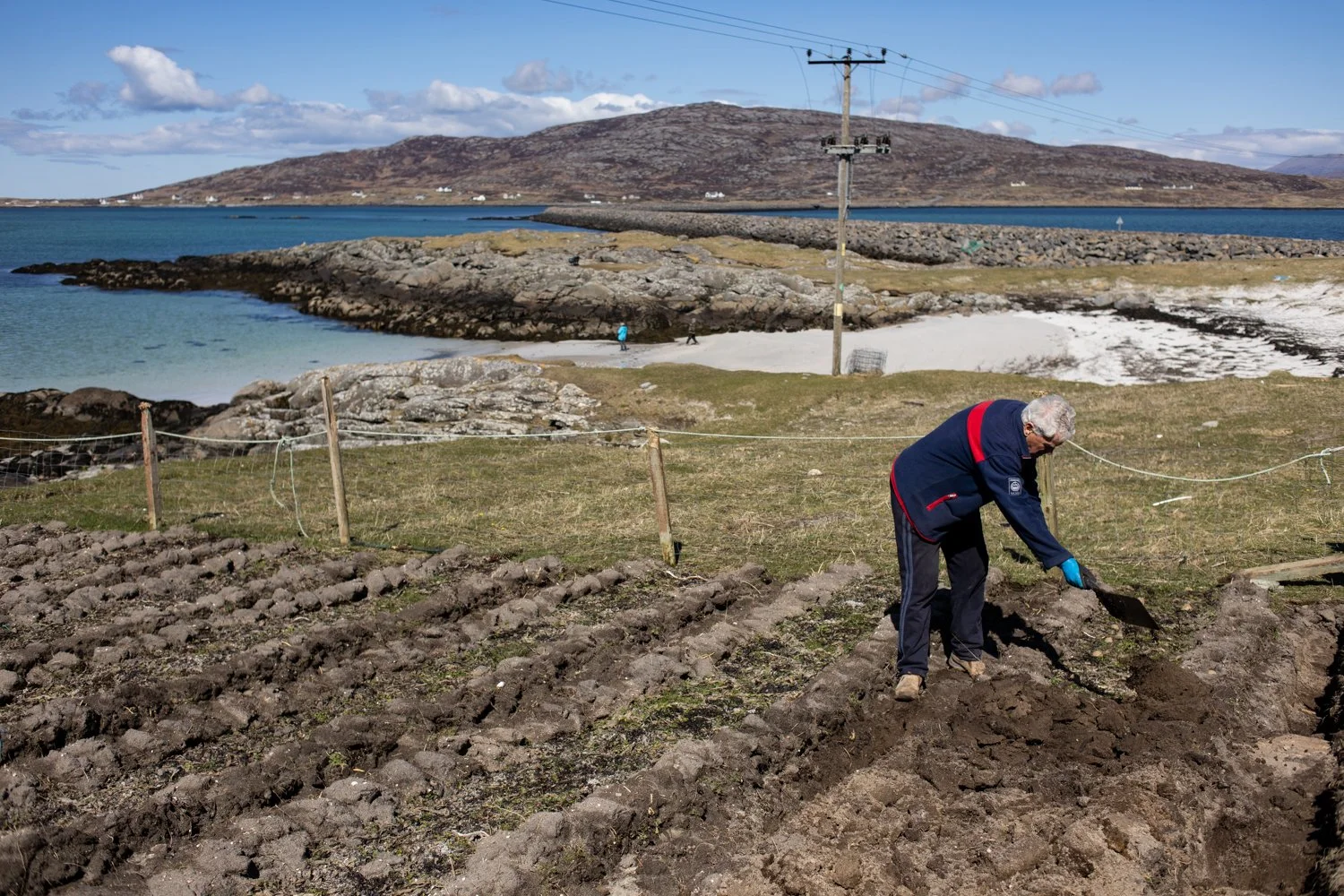
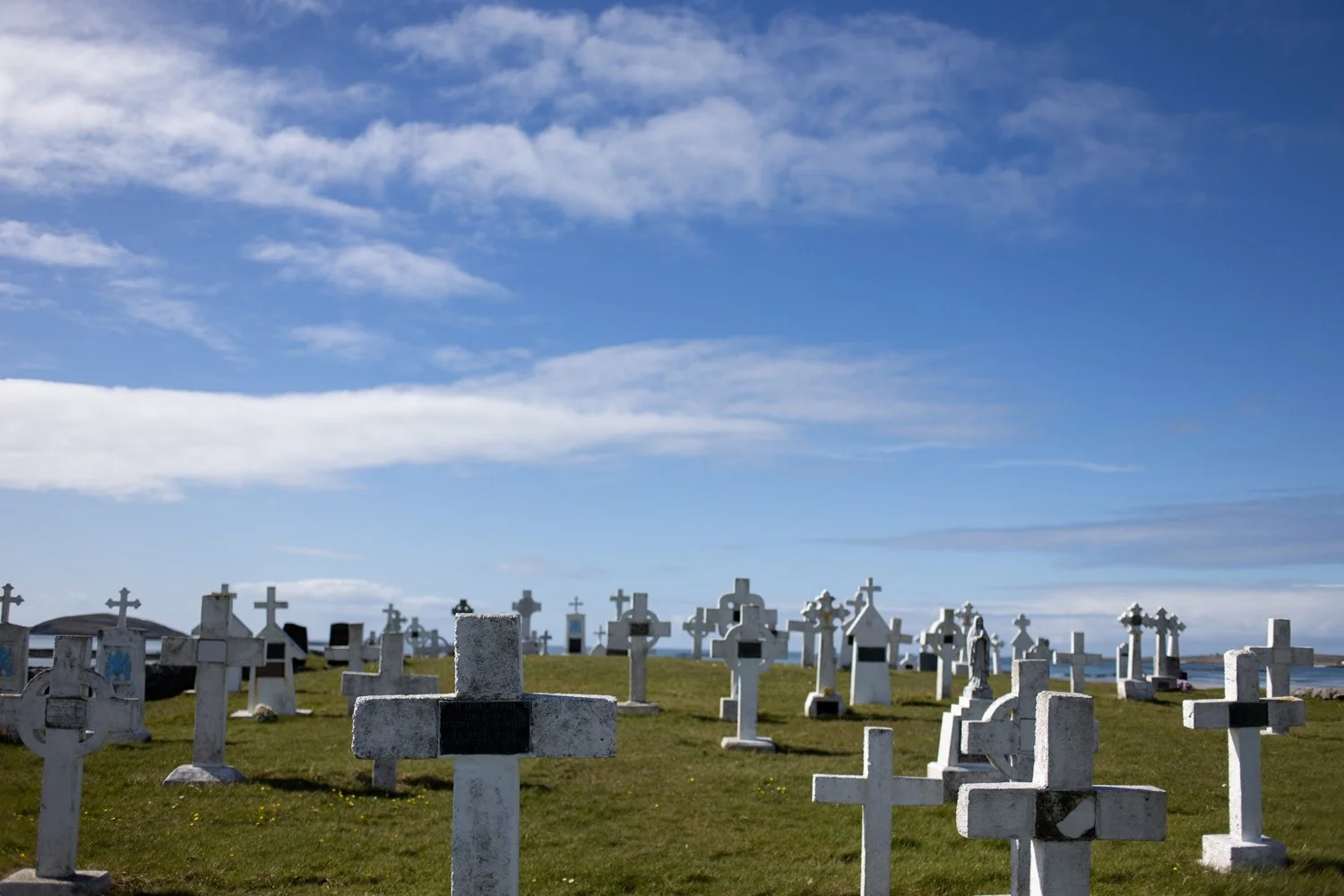
Today, about 150 people live on Eriskay Island, many of whom speak Gaelic. It is a close-knit community, and over time, the island has become a tourist destination known for stunning beaches with rich blue water, the grounding of the SS Politician, and even a FIFA-recognized football pitch. But what is integral to the island culture of Eriskay itself is its history of fishing, crofting, Catholicism, and of course, its ponies.
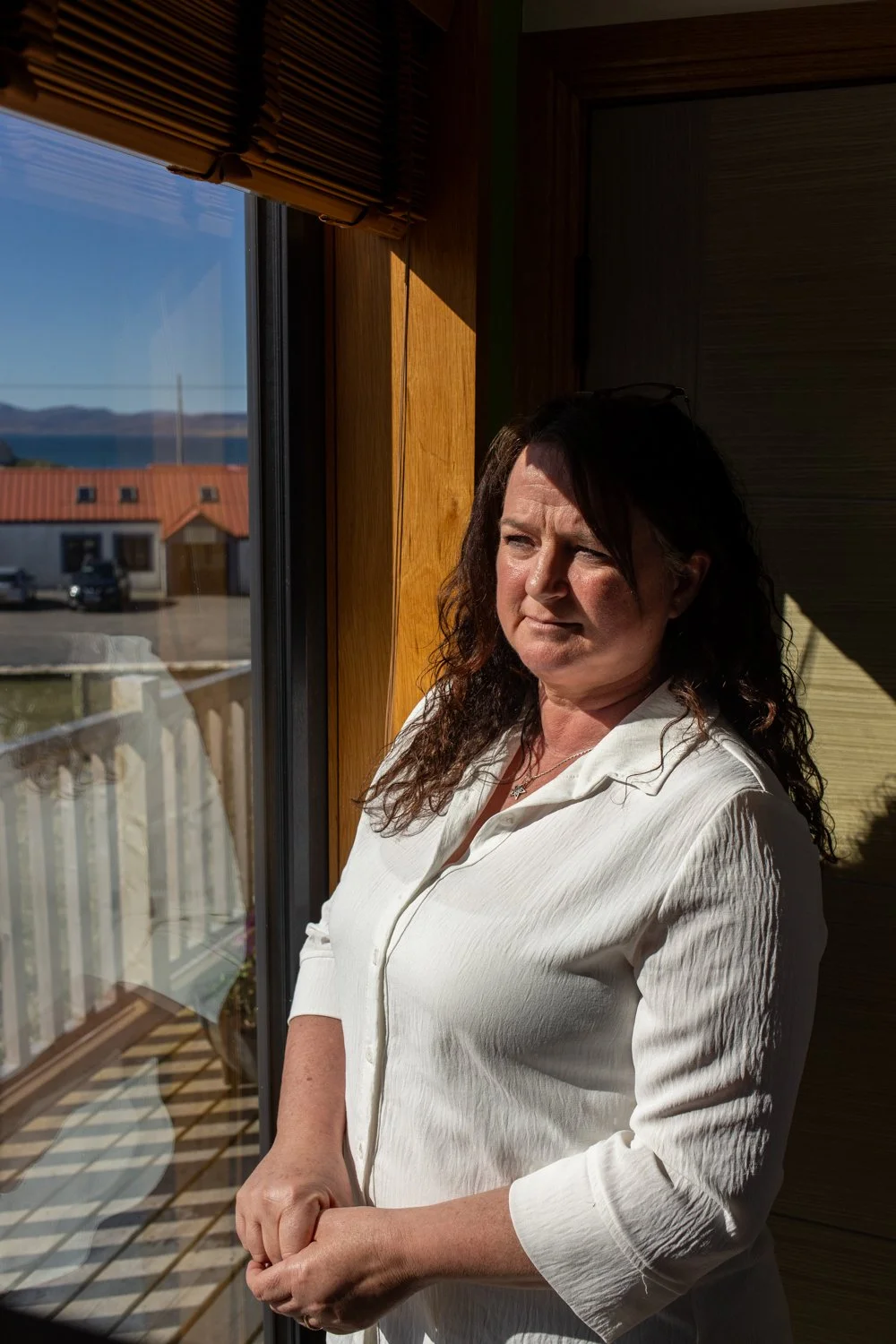
“It all makes Eriskay what it is today,” says Sandra MacInnes, the chairperson of the island society, Comann Each nan Eilean (The Eriskay Pony Society), who also owns several ponies.
In the Outer Hebrides during the 1850s, thousands of families were forcibly cleared from Barra and South Uist during the Highland Clearances. For many, Eriskay became a crowded refuge. MacInnes says, “[The landlords] thought it's rubbish for grazing so they sent them here thinking they'll never survive. They came here and made their houses… They were cleared from crofting communities and had to learn fishing, but then they thrived.”
After the Eriskay community was established, during the 18th and 19th centuries, the ponies were thriving because of their role in the social fabric of the region. Originally used as crofting ponies, they would be fitted with creels to bring peat up the hill and move seaweed as fertilizer for crops.
However, in the 1970s, their population shrunk to a drastic low of approximately twenty purebreds. One of the primary reasons for this was that their prior use as crofting ponies was being replaced with modern machinery, and therefore, their use diminished. In 1972, Comann Each nan Eilean was founded to restore the breed.
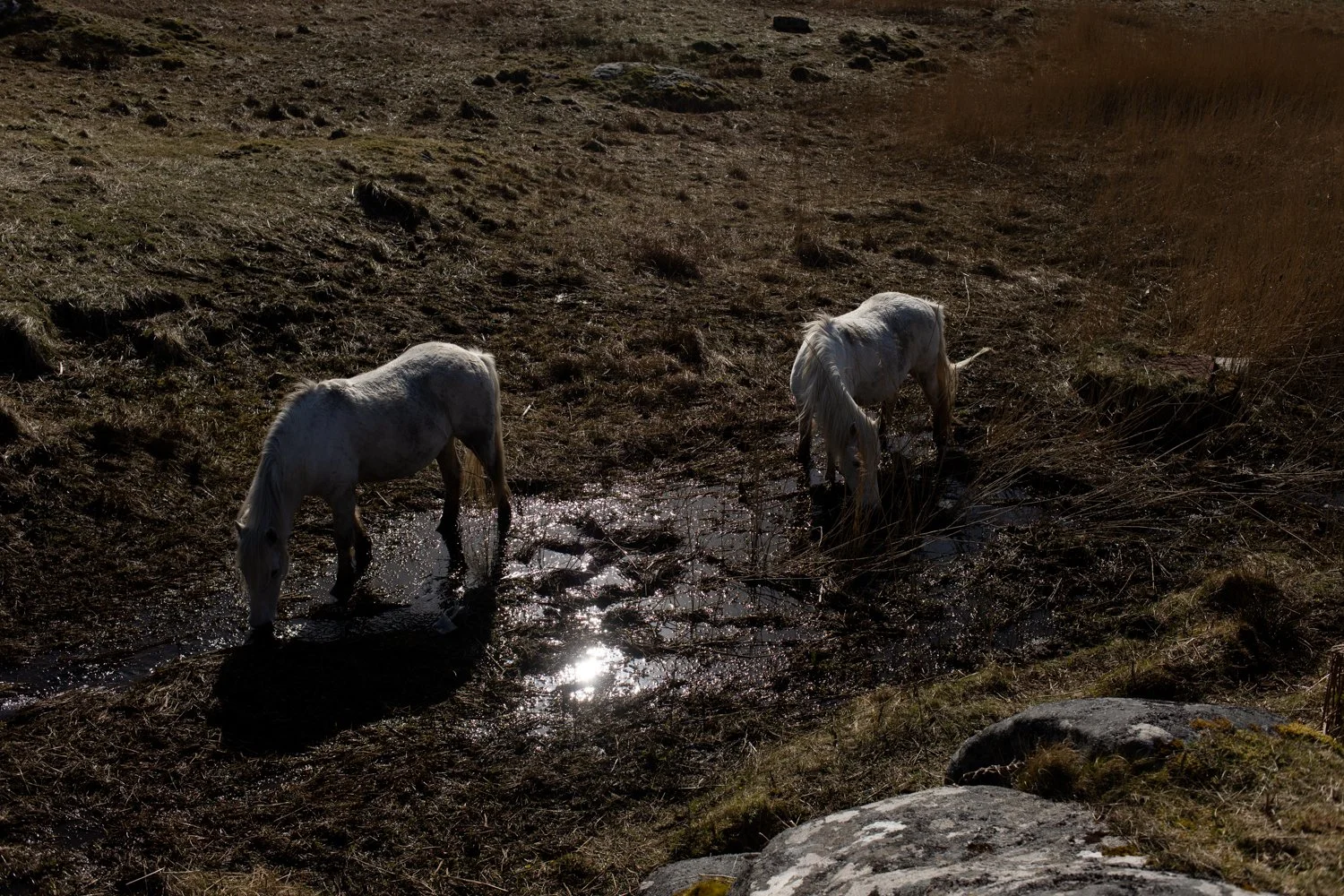
Community members also note how climate change has now begun impacting their island. Recent winters have hit hard, and the beaches are starting to erode. But the ponies adapt well to harsh and fluctuating winters with their hardy coats and their ability to navigate the island to stay out of the wind.
Triona MacKinnon owns two ponies on Eriskay as well as a few others on South Uist. “Winters are getting longer and wetter,” she says. “The grass takes longer to grow. We’re having to [assist feeding the ponies] more. It’s tough but if it’s quite mild, the ticks [increase] which are affecting the ponies.”
She explains that the severity of the winters varies year to year, so community members don’t know what to expect. “This winter’s been particularly long,” she says. “You can get loads of rain. Some ponies can get rain scald, and you’re not used to seeing that.”
The ponies have shaped the town’s culture over time. Locals quote former parish priest, Father Calum MacLellan, who once said, “Without the people of Eriskay there would be no pony, but without the pony there would have been no people on Eriskay.”
“They both needed each other,” says MacInnes.
Although the population of the pony has increased in the last 60 years, there is still work to do. Comann Each nan Eilean is developing a breeding program to assist the future of the ponies, and they manage the herd numbers to ensure that the ponies can sustain enough grazing land without overrunning the community.
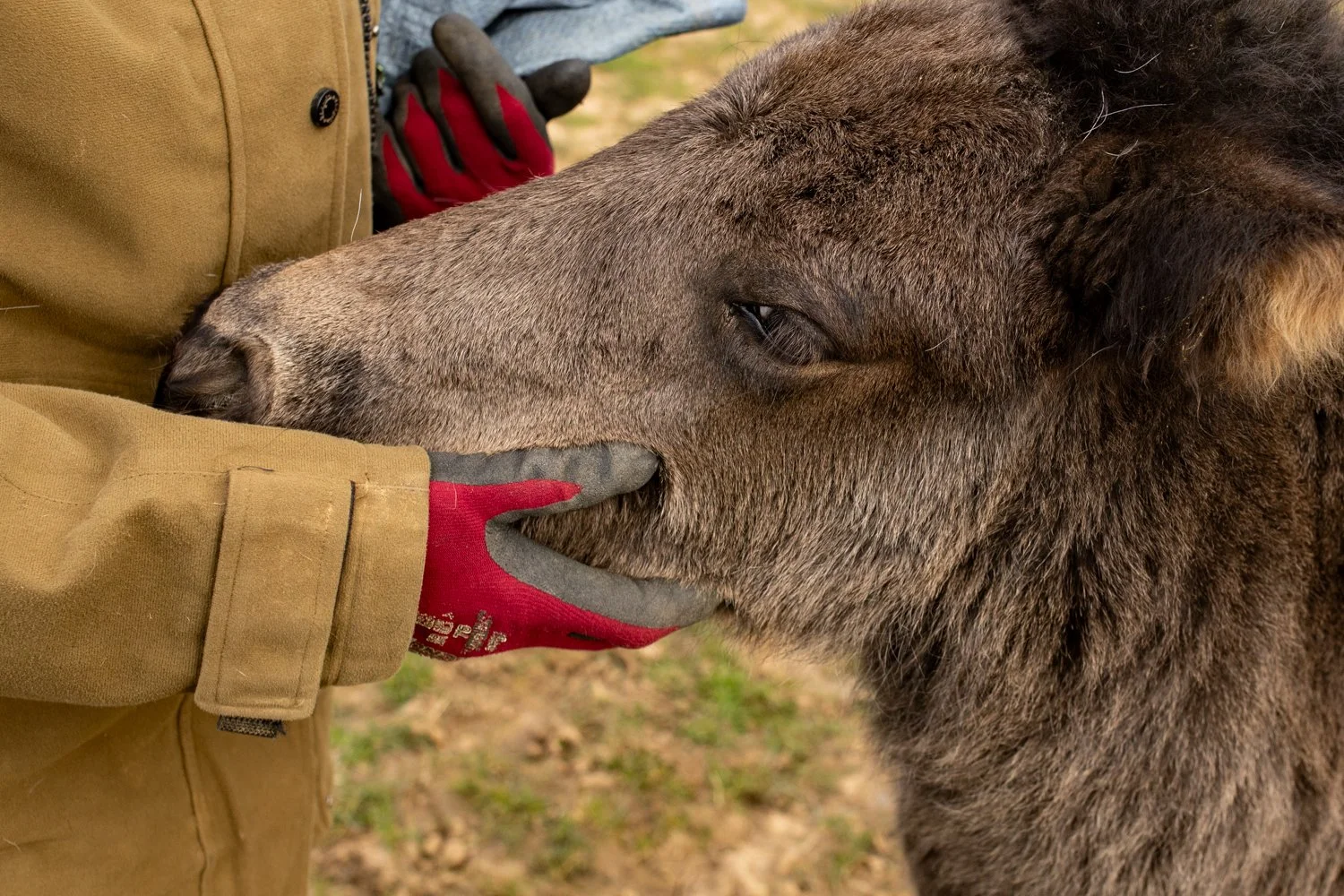
This year, one foal was born on the island, and the community hopes for a few more next year. When first born, the ponies start off almost black in colour and then become lighter as they age. While the majority turn white, some Eriskay Ponies actually have brown coats.
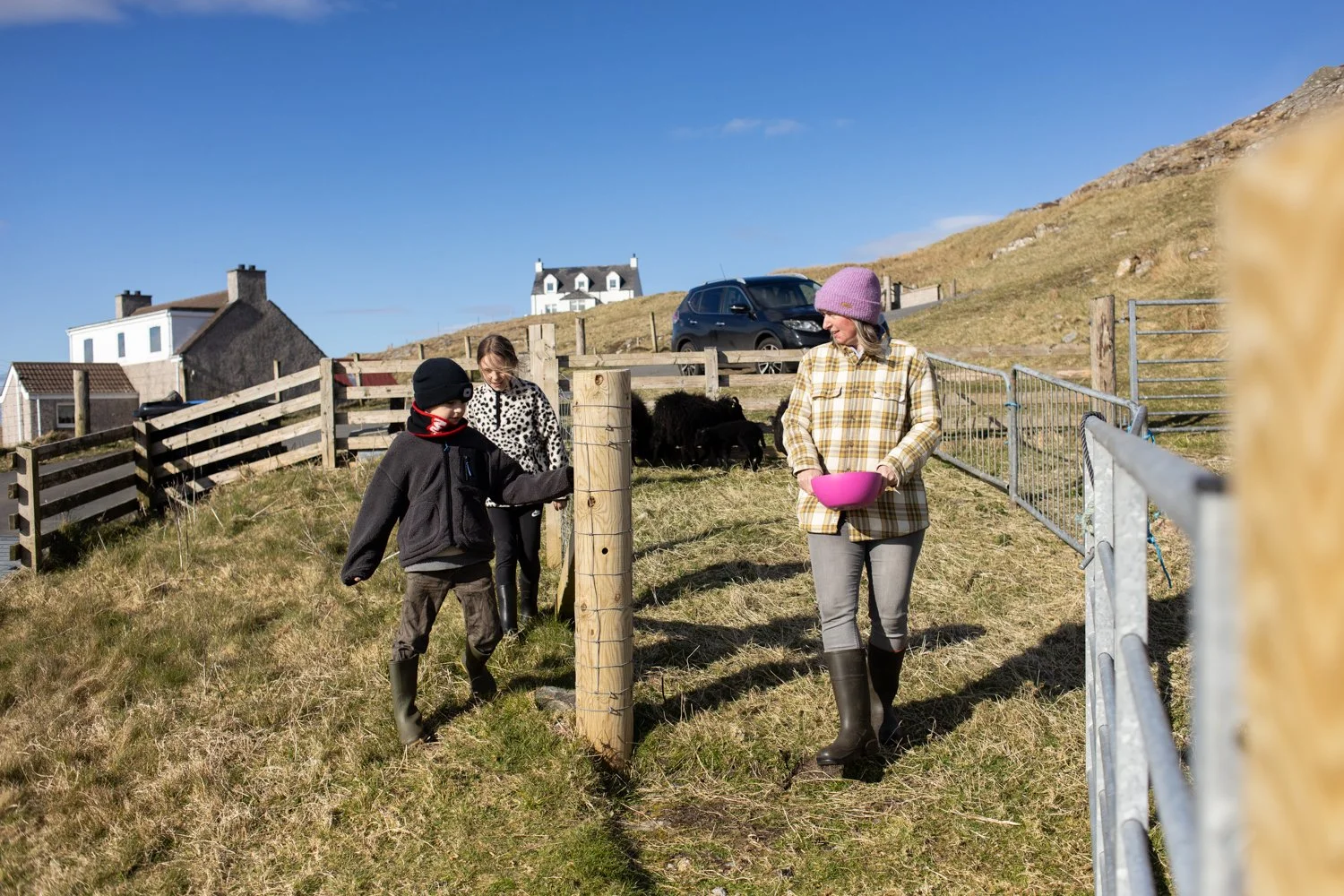
In the winter months, the ponies need extra food and are fed by their owners with support from the island’s pony society. In the summer, the ponies are kept up on Beinn Sciathan to allow the lower soil to recover so it can be used for farming.
Owners hike up and down whenever they can to check on their ponies. Some owners can tend to their own ponies’ hooves, but many need to pay for a farrier, as well as veterinary care when needed. The work is financially demanding and time-consuming, but many islanders see a life alongside the ponies as something truly beautiful and a part of their heritage.
Although MacInnes married into the community caring for ponies, she has since become attached to them.
“[You] get to know how docile they are. They all have their own personalities, they all have names, they all have little characters,” she says, “It’s nice to see herd dynamics as families—they are families.”
Text and photographs are by Emily Whitney. To donate to the work of Comann Each nan Eilean and the preservation of the Eriskay Ponies, click here.