These families find relief from health issues in the growing homesteading movement
Text & photographs by Emily Whitney
This project is not yet published. If interested, please email me.
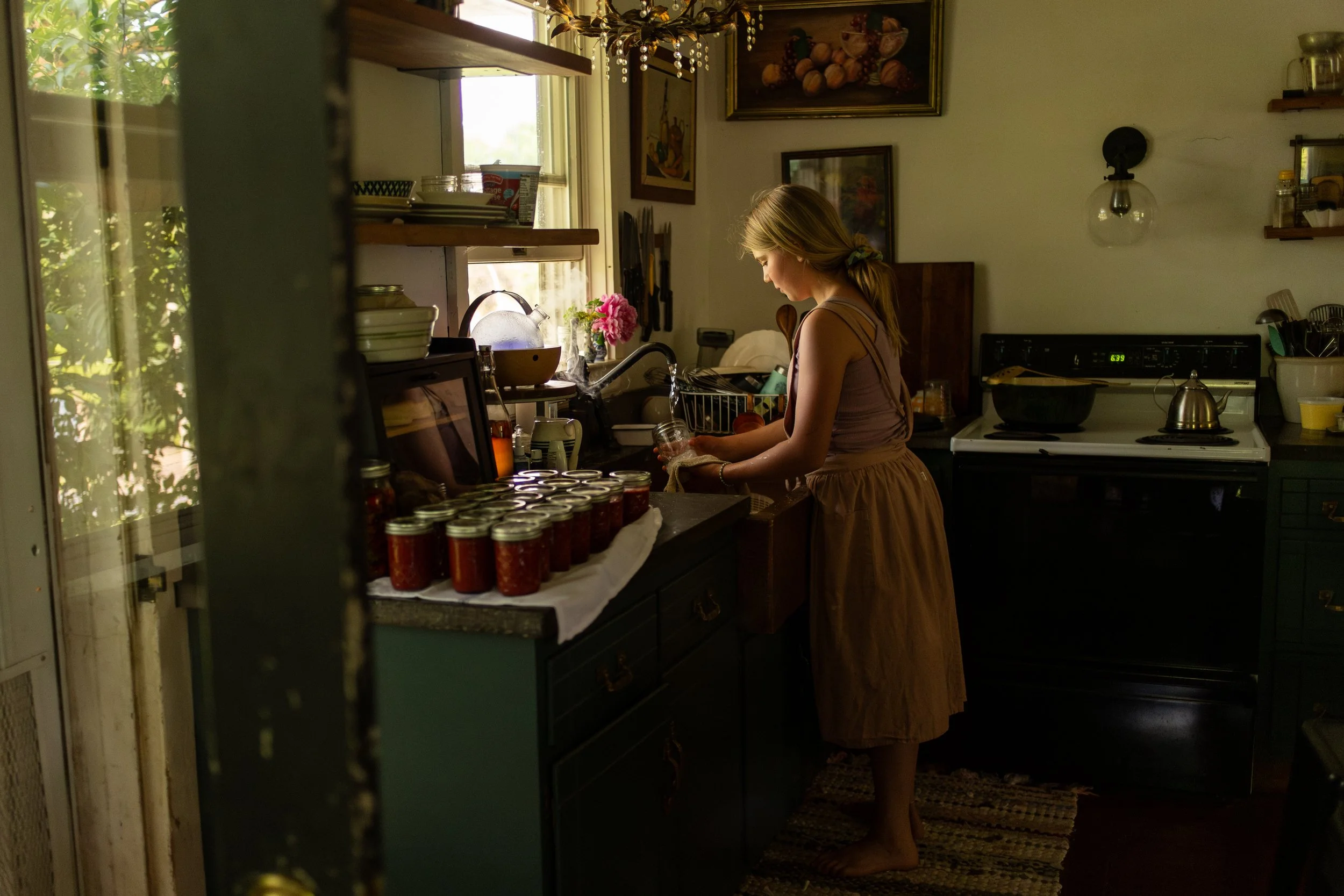
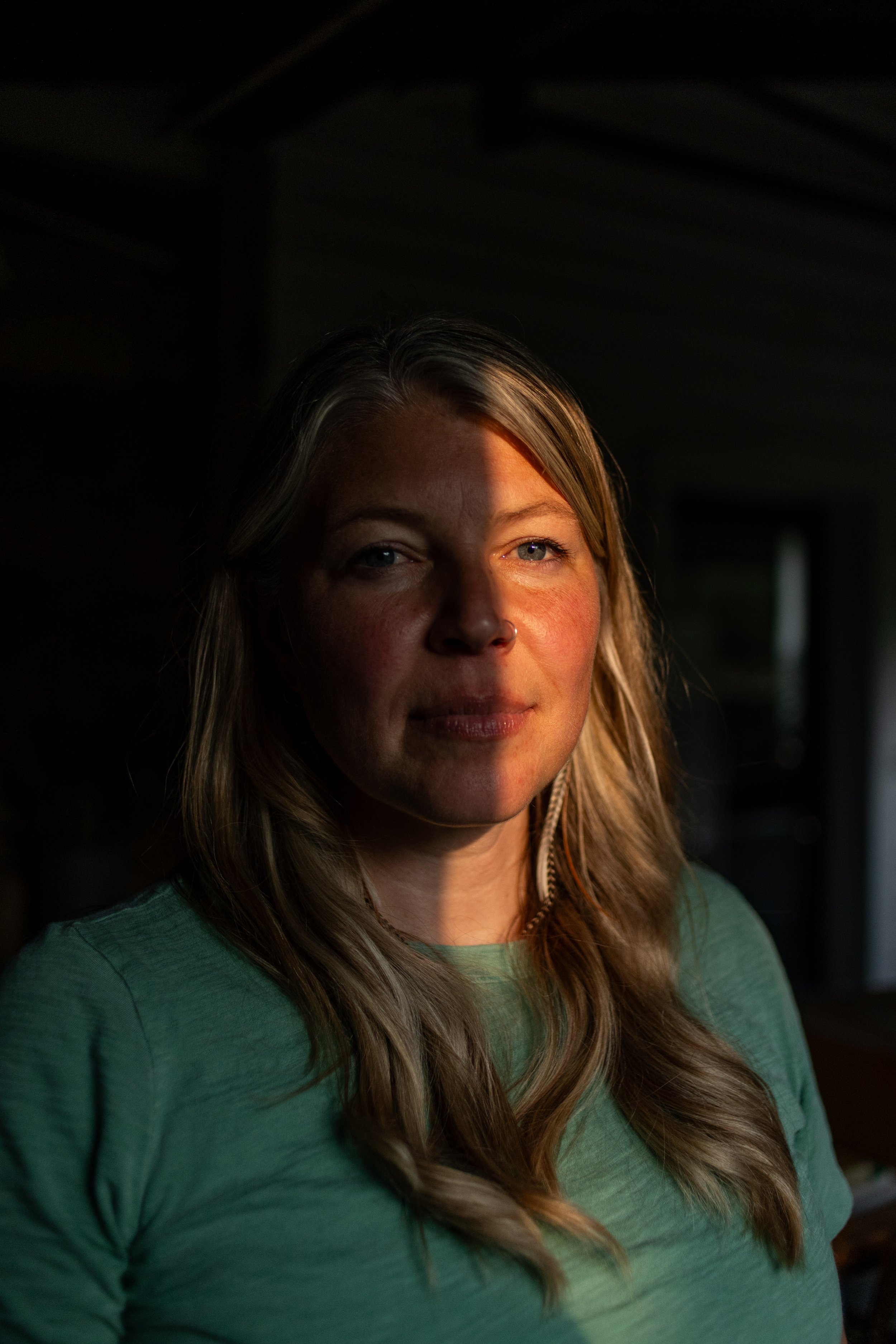
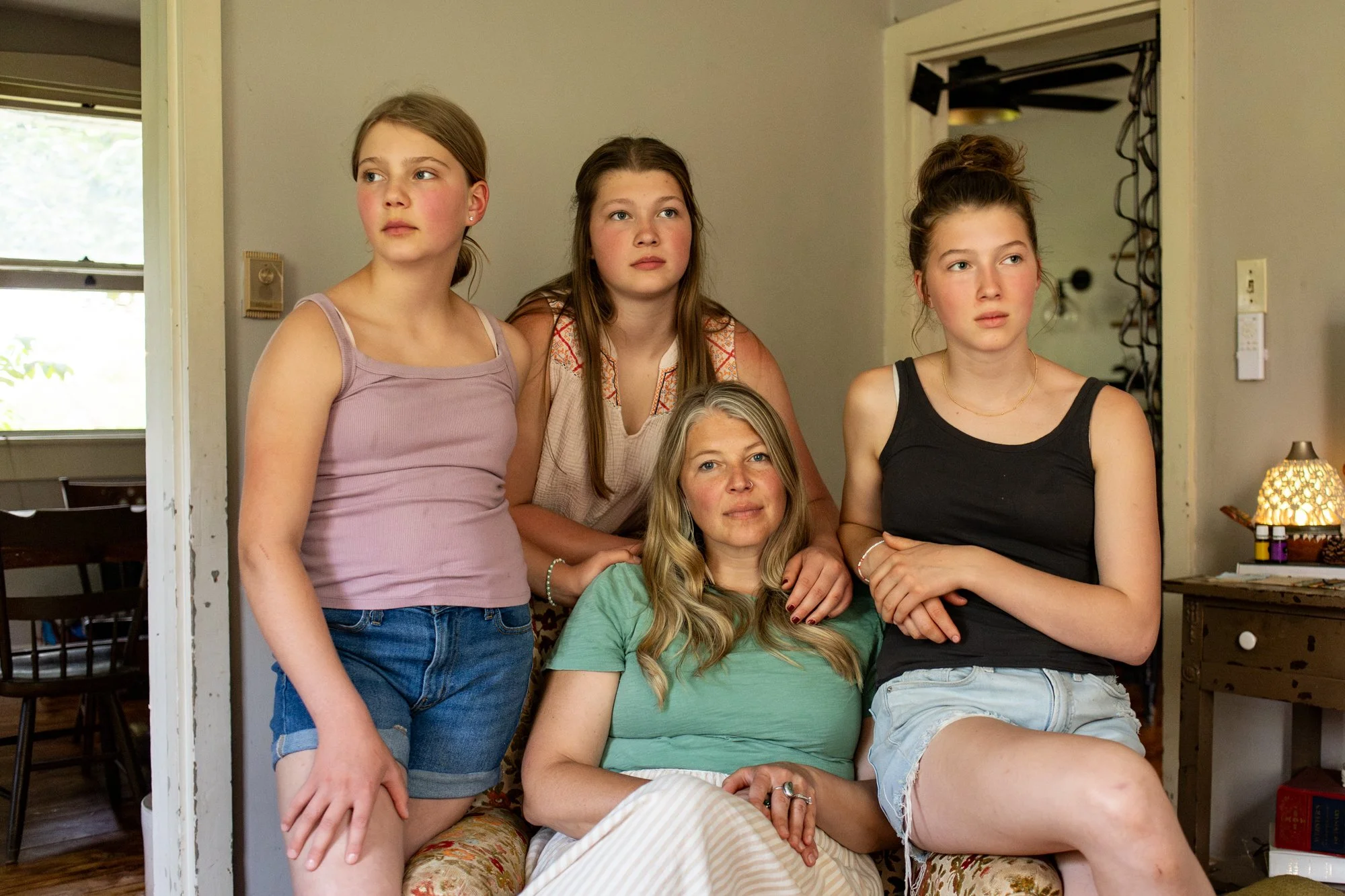
Sarah Stutzman, a mother of three and certified health coach in Lititz, PA, began homesteading long before the MAHA movement became a cultural trend. Her daughter had just been born and was suffering from serious respiratory and gut issues.
“I was just nursing and she had blood in her stool,” she recalls. “She would get respiratory infections and be put on antibiotics. Her intestines were ripped around.”
Tests were run and no answer was found. Her doctor gave her a can of formula, but again, no answers.
“I had to find another way. It wasn’t working for her. They [were] not finding answers. [I’d] get thrown from one specialist to another.”
40% of homesteaders have taken up the lifestyle in just the last three years. While some begin homesteading because it’s trendy, the movement is increasing in the U.S. primarily because of health issues as well as chronic stress and distrust in institutions.
Today, 76.4% (or 194 million) of U.S. adults have at least one chronic health condition for which they can’t find a solution from their traditional practitioner. Almost three quarters of adults in the U.S. are overweight, the prevalence of IBS has nearly doubled, and chronic illness is rising.
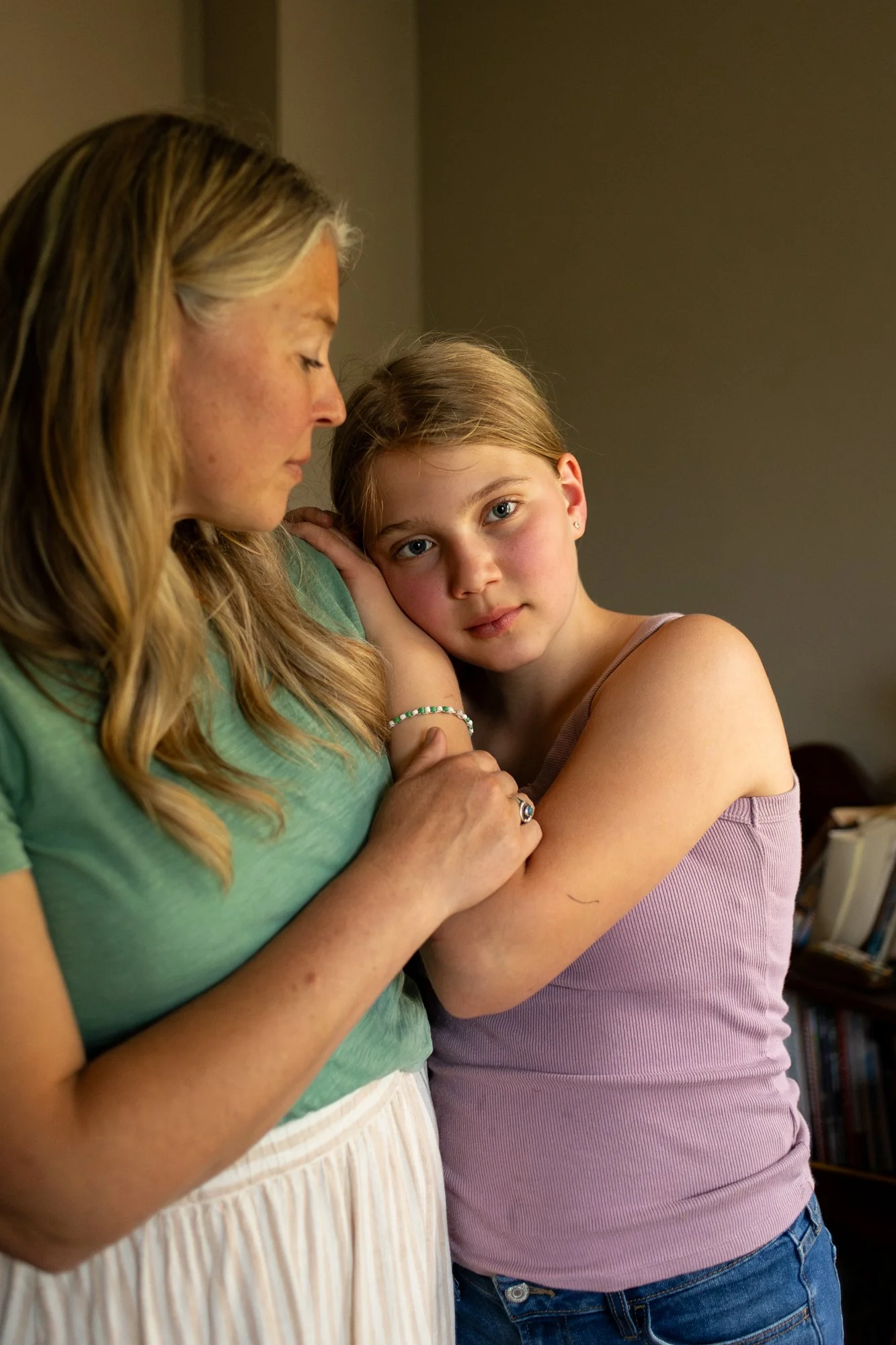
Eventually, Stutzman discovered the cause of her daughter’s ailments when a lactation consultant explained that her baby was forming intestinal polyps anytime she had dairy. “It’s like taking sandpaper over a wound and not letting it heal,” Stutzman says. “It’s going to continue being inflamed and getting infected. We needed to stop for a period, let it heal, and then see if she could tolerate any more dairy.”
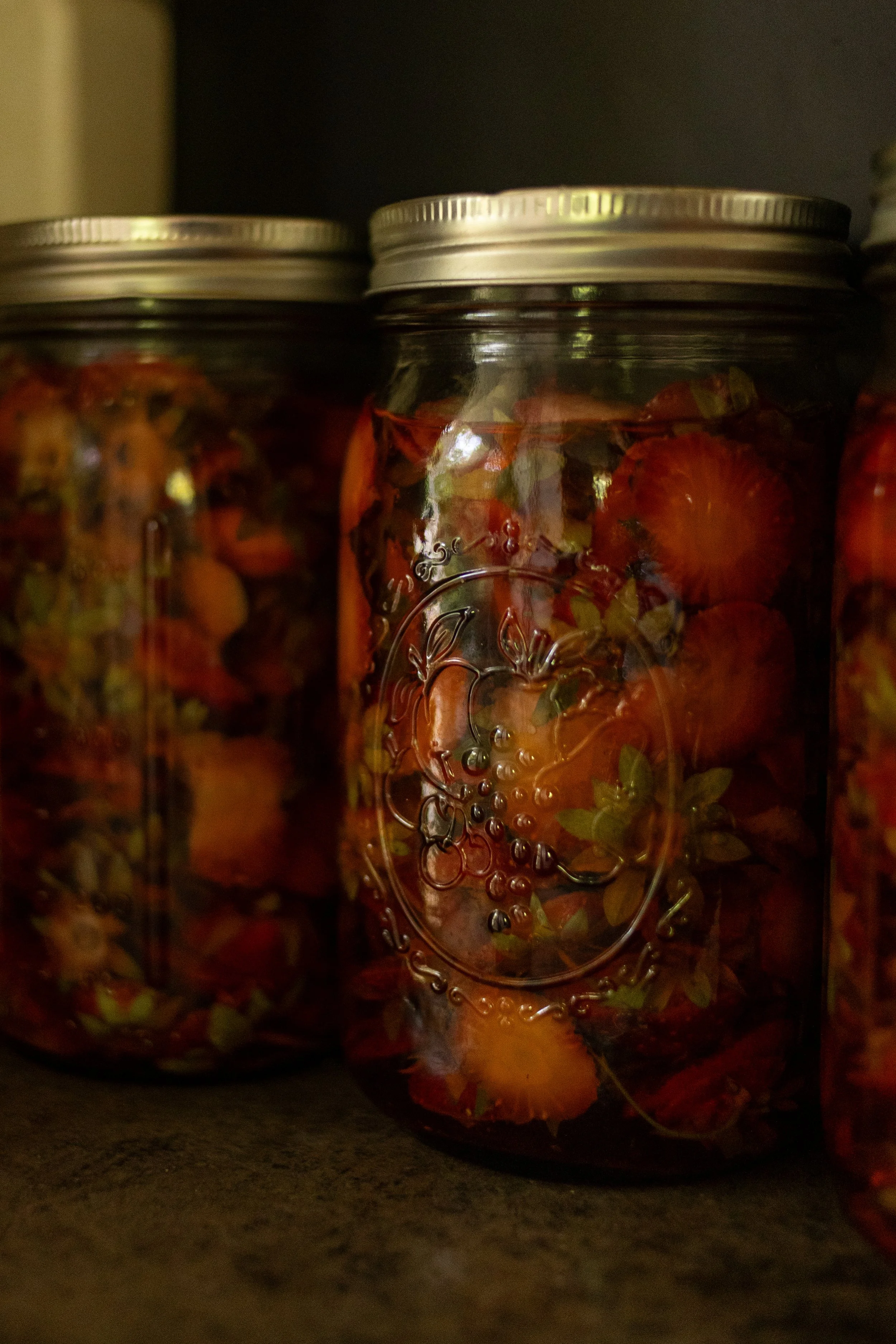
They focused on gut healing with fermented foods, minimal processed foods, supplements, and natural products when she was getting sick rather than antibiotics. Since antibiotics can be damaging to the gut lining, Stutzman didn’t want her child in a cycle of frequent sickness and digestive issues.
They slowly transitioned her to goats milk and then to small amounts of raw dairy which made her feel well. Today, if she doesn’t maintain a healthy diet or eats conventional milk products, she gets a stomach ache, indigestion, acid reflux, and is more prone to sickness.
A shift in lifestyle wasn’t an option for Stutzman’s family. She wasn’t jumping on a social bandwagon. She was simply trying to heal her daughter’s tiny, fragile body.
In January 2026, the Departments of Health and Human Services and Agriculture released a new dietary guideline for Americans including the flipping of the food pyramid. The new suggestions reject carb-centric meals and instead emphasize nutrient-dense and minimally processed foods. While the mixed messaging can be frustrating, there is a large community that is grateful for this change. More people are suffering from conditions involving “leaky gut” which has become a common term from reactions to the standard American diet with its highly inflammatory foods.
Those in this movement like Stutzman emphasize the importance of lifestyle and diet in healing. The challenge for many people is the time frame required for recovering — usually much longer than utilizing conventional medicine, but it can provide long-term benefits without any side effects.
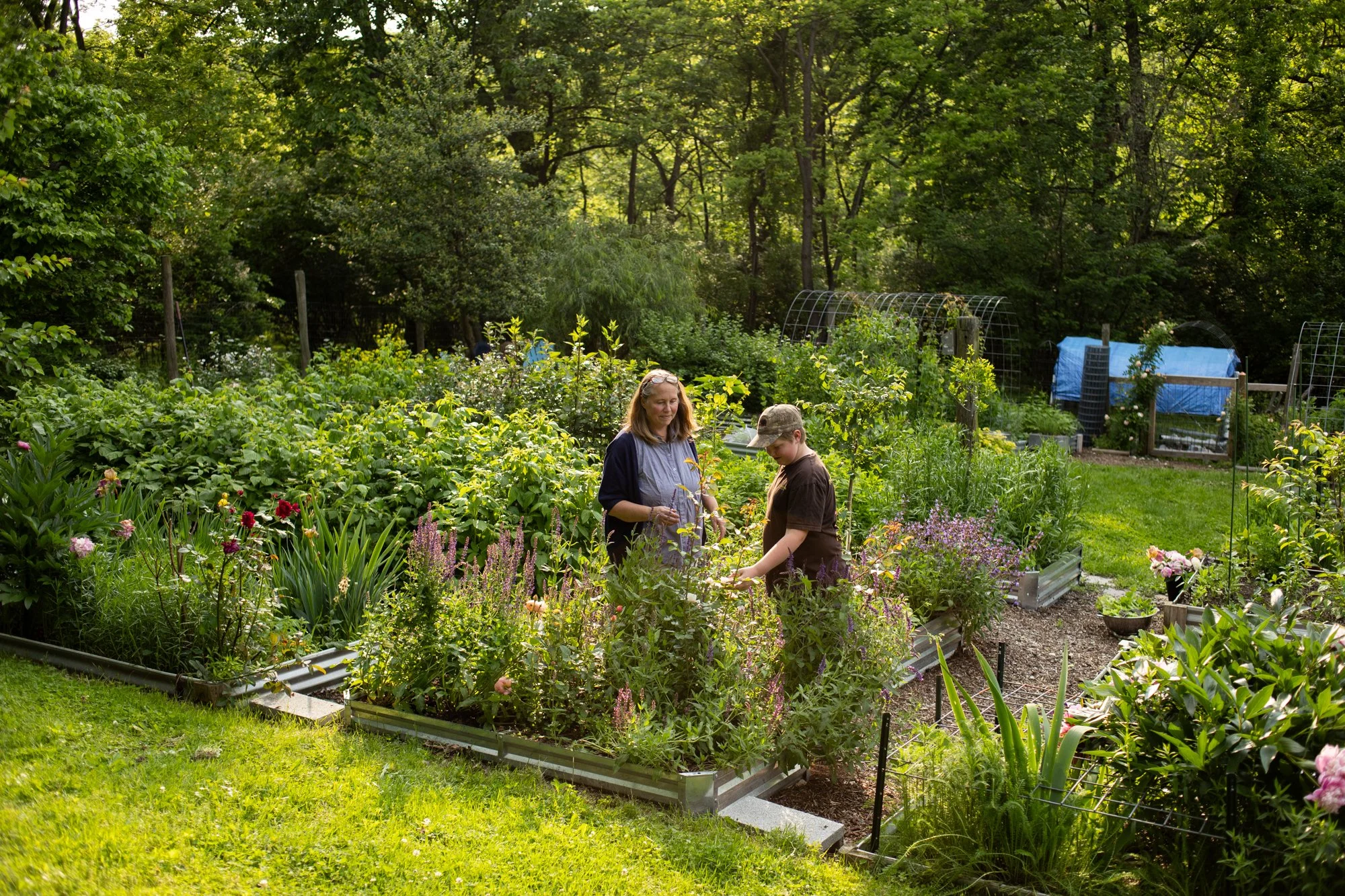
Stacy Keely, a homesteader and small business owner in Leesport, PA started homesteading almost fourteen years ago. As a chapter leader of the Weston A. Price Foundation, an organization emphasizing nutrient-dense foods, she learned about factory farming, GMOs, and detrimental farming practices. “I even have my education in natural health but just didn’t realize how bad our food system was until we made changes,” she says.
She’s had food poisoning multiple times and she and her family have also had Lyme disease. This damaged her gut and caused other health issues to her son. She believes that since improving her diet, she’s avoided a dependence on pharmaceutical drugs. “By eating real traditional whole foods and fermented foods we help our bodies to heal and be nourished on a daily basis,” Keely says.
Some medical professionals have concerns about homesteading because of food safety and home remedies, as well as vaccine hesitancy which can be prevalent within the community.
However, individuals in the movement reference data such as how nutrient dense foods are associated with a lower risk of conditions like cancer and other chronic diseases, fermented foods improve gut microbiota, being in nature reduces anxiety and depression, and even how raw dairy can improve immune health.
“We compartmentalize the human body when everything is connected,” Stutzman says. “People are taking matters into their own hands and paying out of pocket.”
The American diet has pervasively affected the general population over the past fifty years since ultra processed foods became mainstream, so much so that there’s now a growing cultural shift towards health independence and hesitation to follow the standard medical system. Instead, people are taking matters into their own hands: avoiding processed foods, reading labels, and buying from local farmers — all to take back agency in improving their health.
This independent mindset has coincided with a growing distrust in large institutions such as the standard medical, agricultural, and pharmaceutical methods. Many people with chronic health issues experience ongoing frustrations such as doctors labeling a set of symptoms instead of seeking to understand what led to the problems in the first place. The latter strategy is spoken of as the “root cause approach” for which standard medical professionals rarely have the time, funding, or research available to implement. Physicians can feel handicapped that their only option is to prescribe medications for the short-term that may result in complications later in life.
As a result, a growing number of adults are pursuing a self-sustaining lifestyle.
Many are also drawn to homestead today for a slower pace of life. In a society riddled with chronic stress, anxiety, and technological overstimulation, people are reacting to their dissatisfaction with busy modern life through lifestyle overhauls.
“Living on one income is not easy and there [are] a lot of sacrifices. But you can give your family your best self, rather than the leftovers at the end of the day because you were working for someone else,” Stutzman says.
She believes that women in particular are exhausted from working full time, cooking meals, taking kids to soccer practice, tending to the home, and more. All these activities — many of which are not life-giving — take a toll on their physical health. She says, “When women are stressed and exhausted, they’re not healthy. They rely on convenience and the standard American diet ... People want to get back to a slower pace.”
The claim that women in the U.S. are suffering uniquely has merit. Nearly 70% of those with a gastrointestinal symptom or condition are women, ~80% of people affected by autoimmune diseases are women, and over 30% of women (vs. 16% of men) experience depression.
While working at a holistic doctor’s office as a health coach, Stutzman has seen frequent patients suffering from digestive issues and autoimmune conditions. “This is what’s happening in our country because our food system is so broken and we need to fix that,” she says. “We have the power to change through the choices of food we grow or source from farmers.”
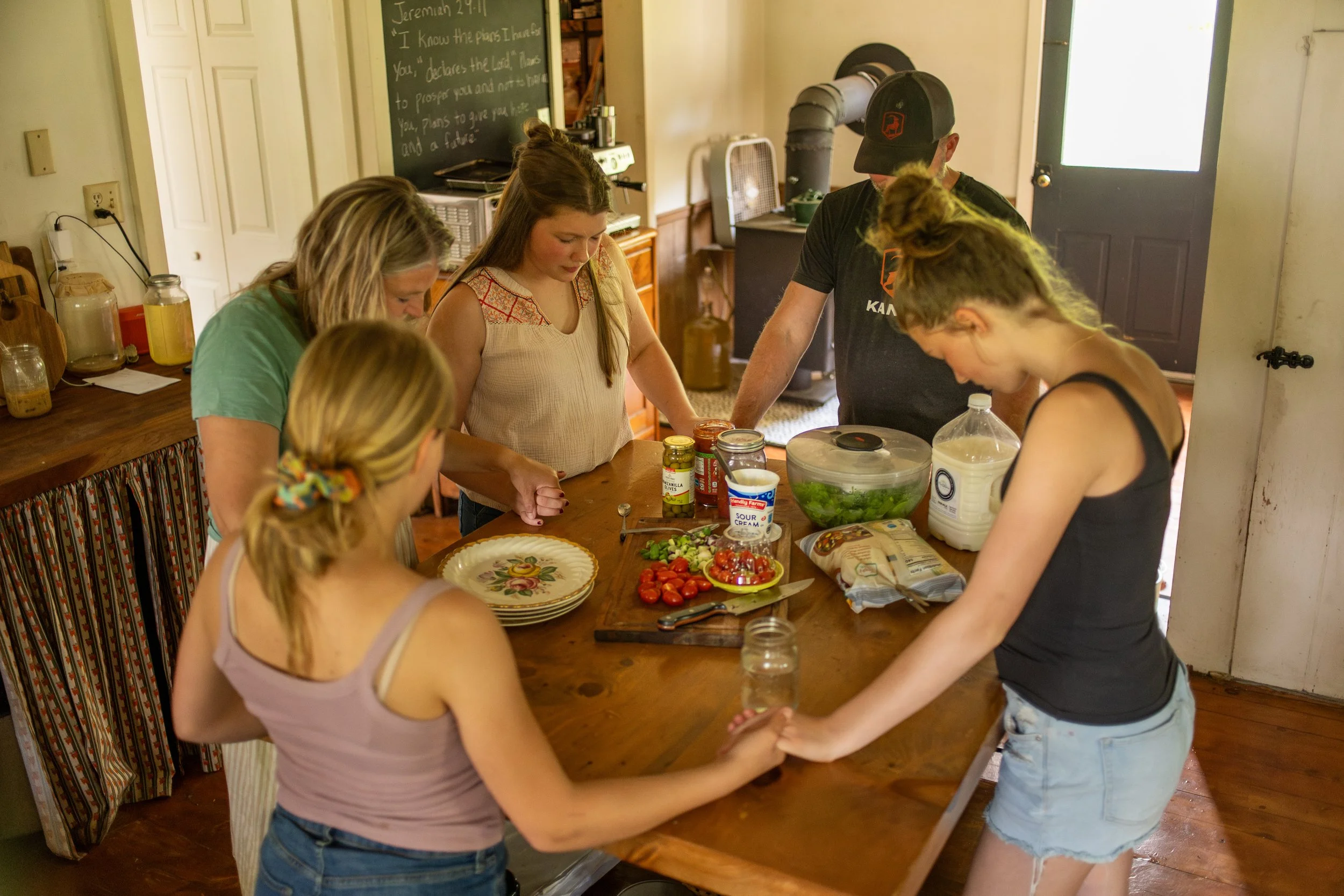
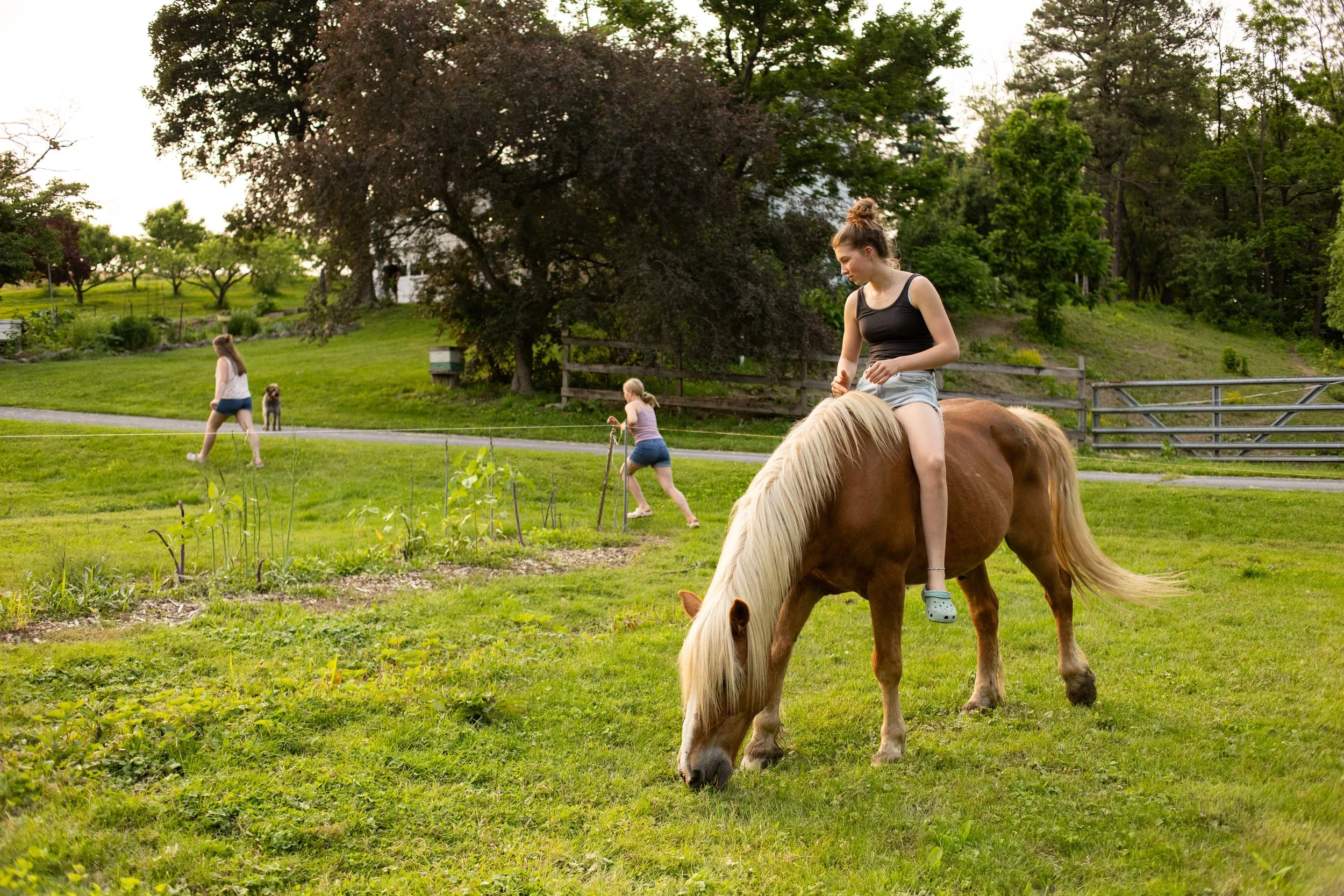
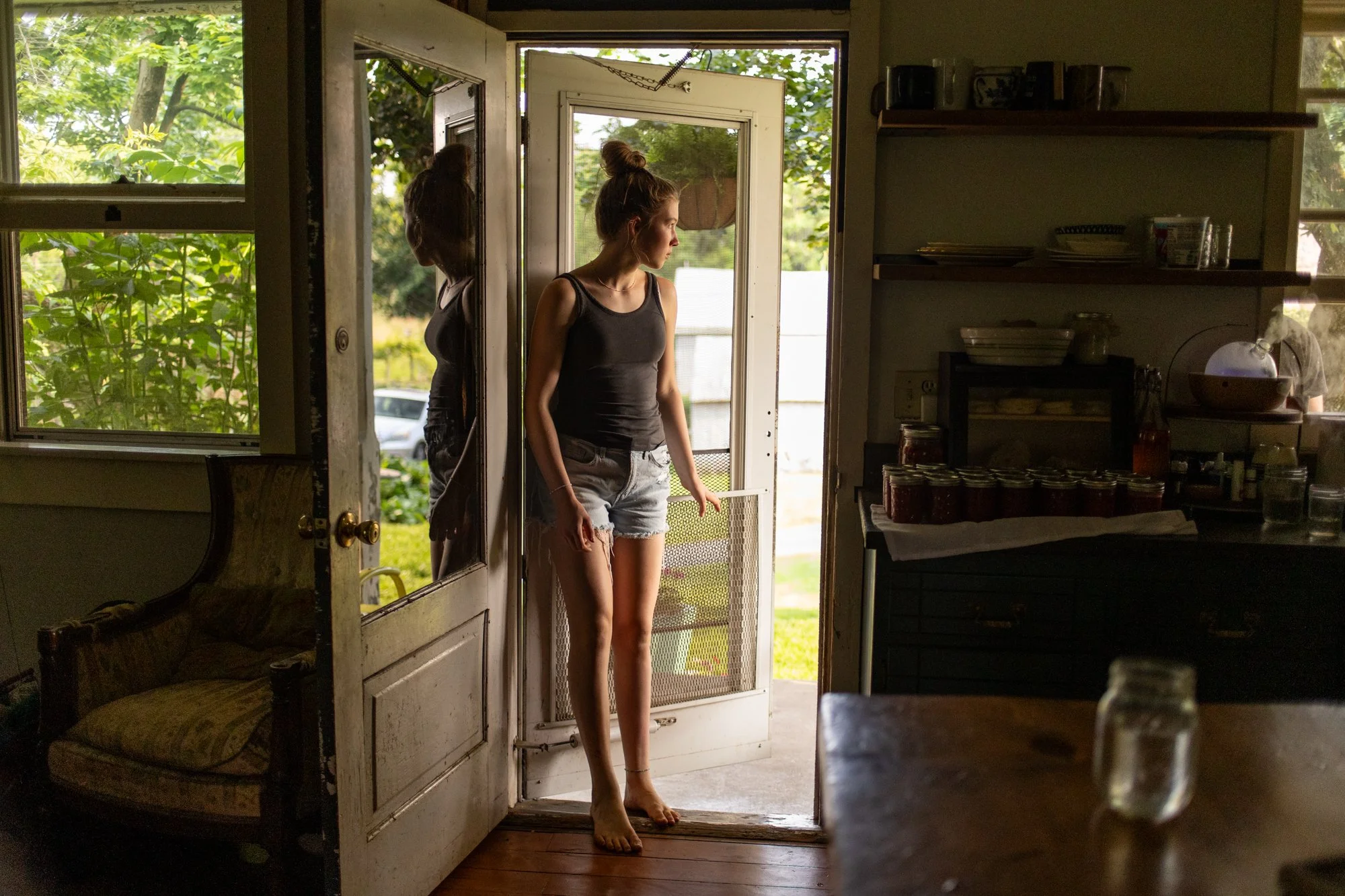
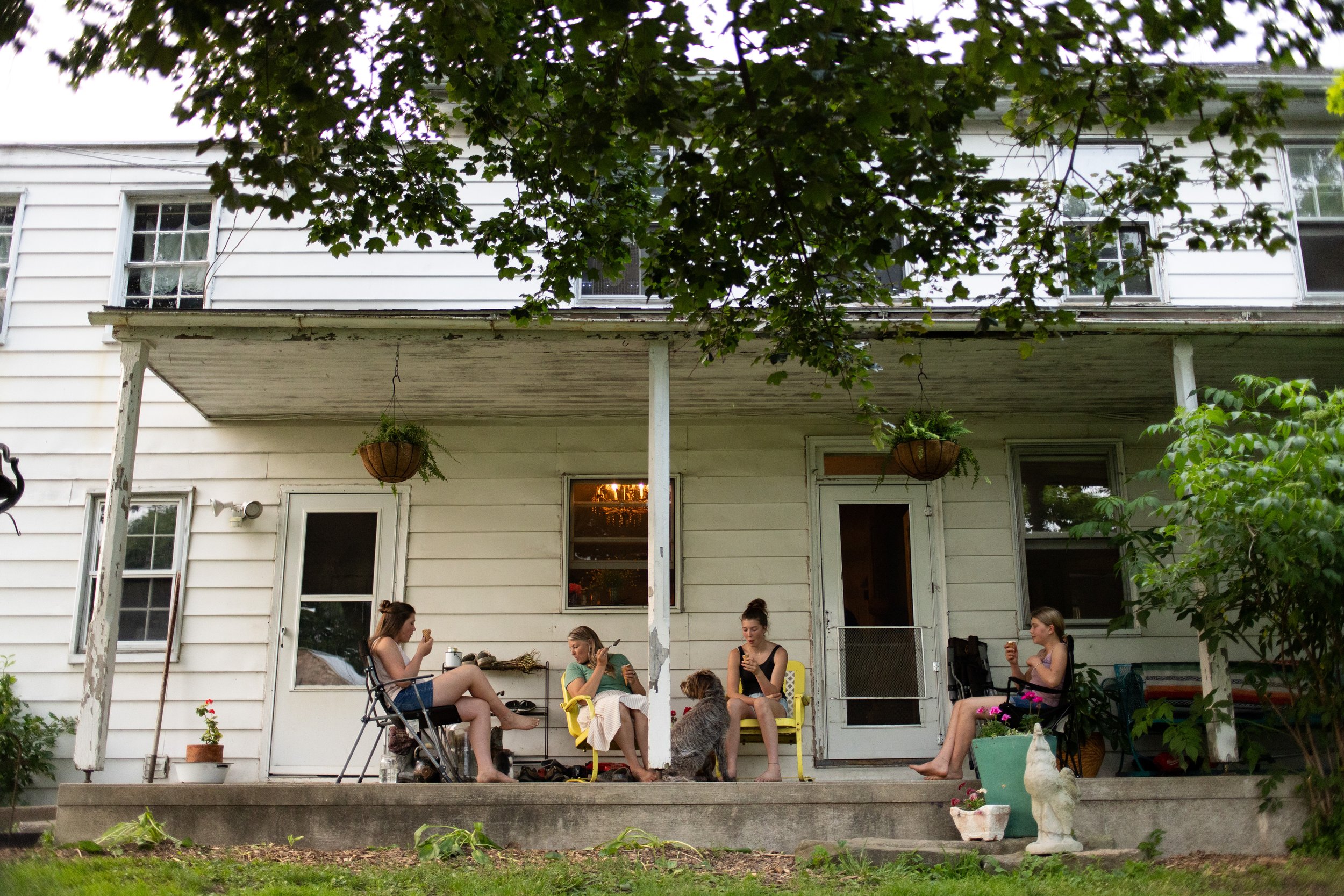
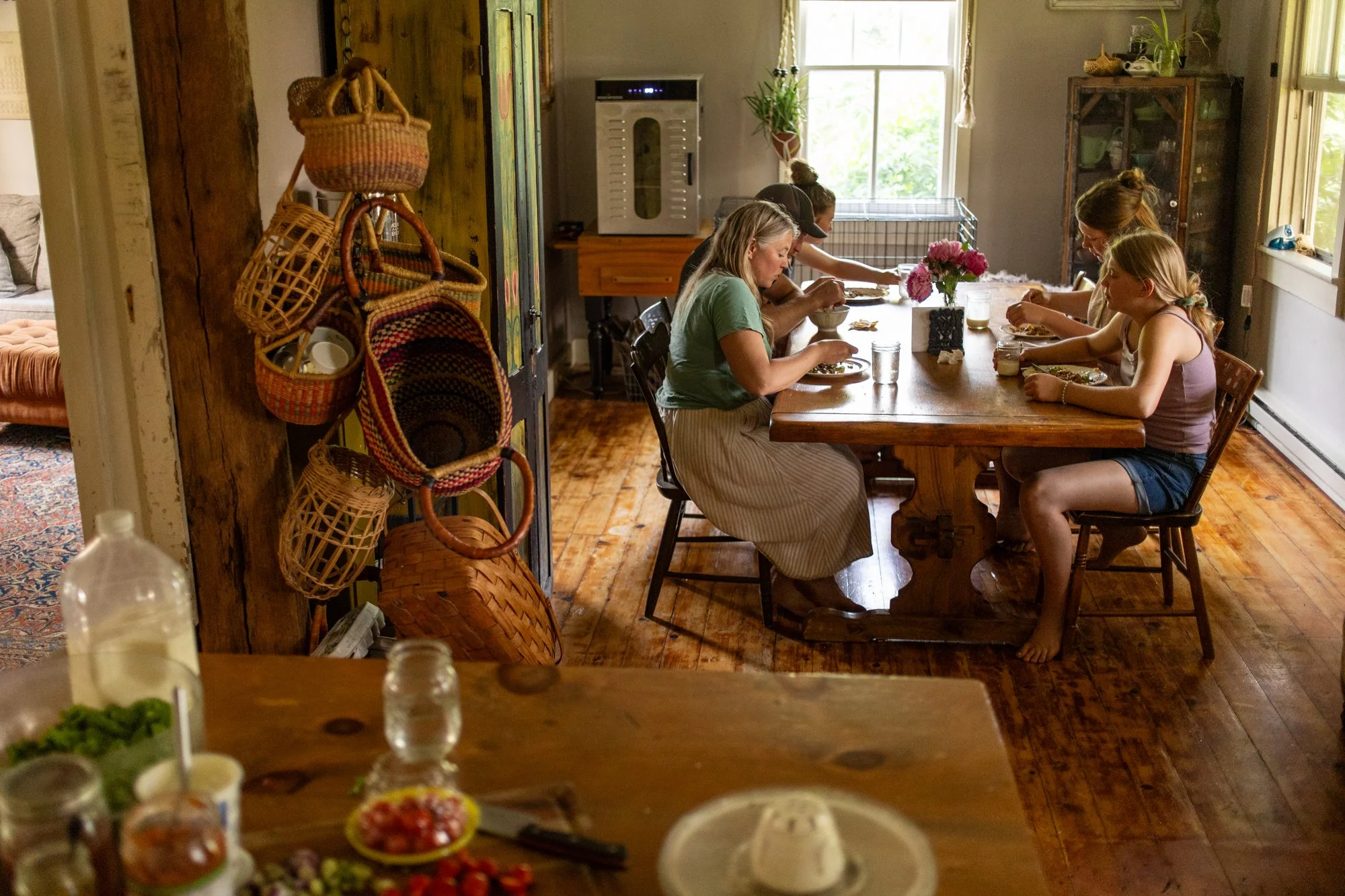
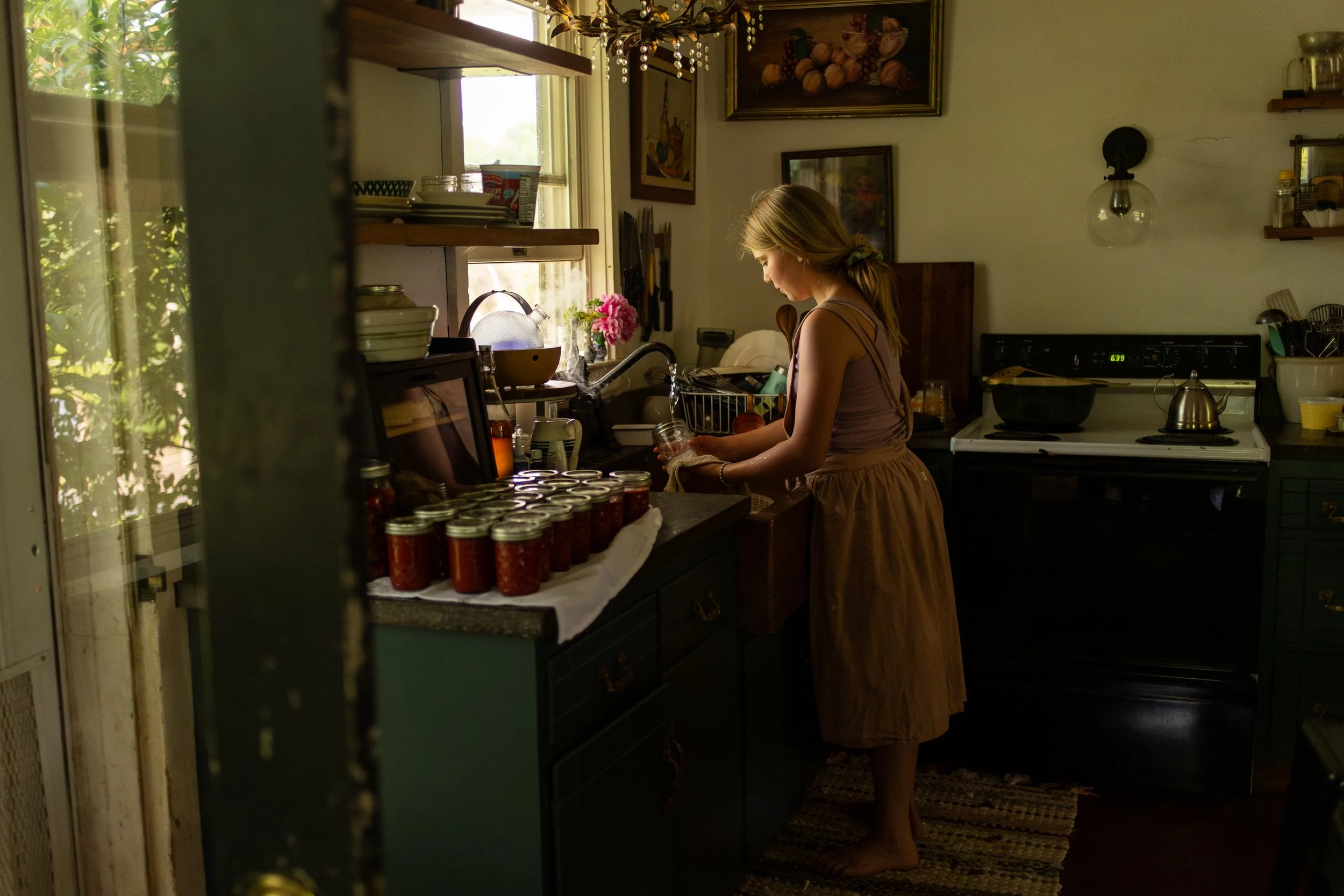
Today, Stutzman’s youngest daughter has made a full recovery and is living actively. On one summer evening, she and her teenage sisters ask their mother if she needs help making dinner. Sarah and her husband have raised their daughters prioritizing ordinary family rhythms — sitting down together, praying before eating, and chatting about their days over a fresh meal. They take turns doing clean-up before the girls tend to their 4-H animals and family chickens. By dusk, the family settles on the porch together to enjoy homemade strawberry chocolate chip ice cream.
Although the lifestyle has its limitations, homesteaders wouldn’t trade in the life of the farm and warmth of the home. “You can’t just up and go. You’re tied to your homestead,” Stutzman says. “You have to truly love it. For us, [it’s] pure joy.”